Ring Seekers
Get Help Now

Barcelona and the Costa Brava, Lloret de Mar and Girona

Lost a ring or other jewellery in Barcelona or on the Costa Brava

Barceloneta to Badalona, the Maresme, Blanes, Lloret de Mar, Tossa de Mar, Platja d'Aro, Palamós, L'Estartit, Roses, Cap de Creus and Girona.

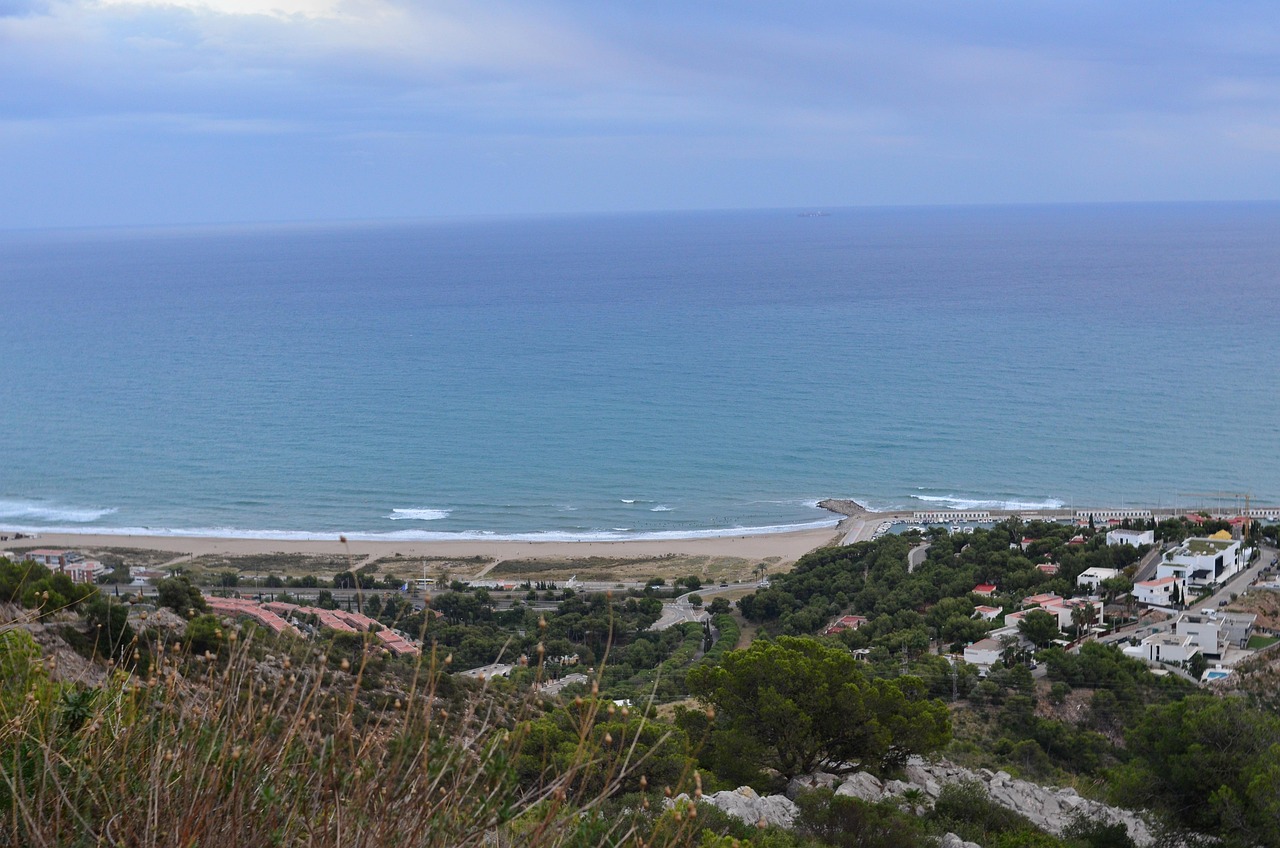
Barcelona rakes its beach sand by machine at night in the bathing season. The big Costa Brava beaches at Lloret de Mar, Tossa de Mar and Platja d'Aro are coarse sand, and at Lloret and Tossa the water deepens quickly. A ring lost on this coast can still often be found. What decides it is how closely you can place the spot and how soon someone looks.

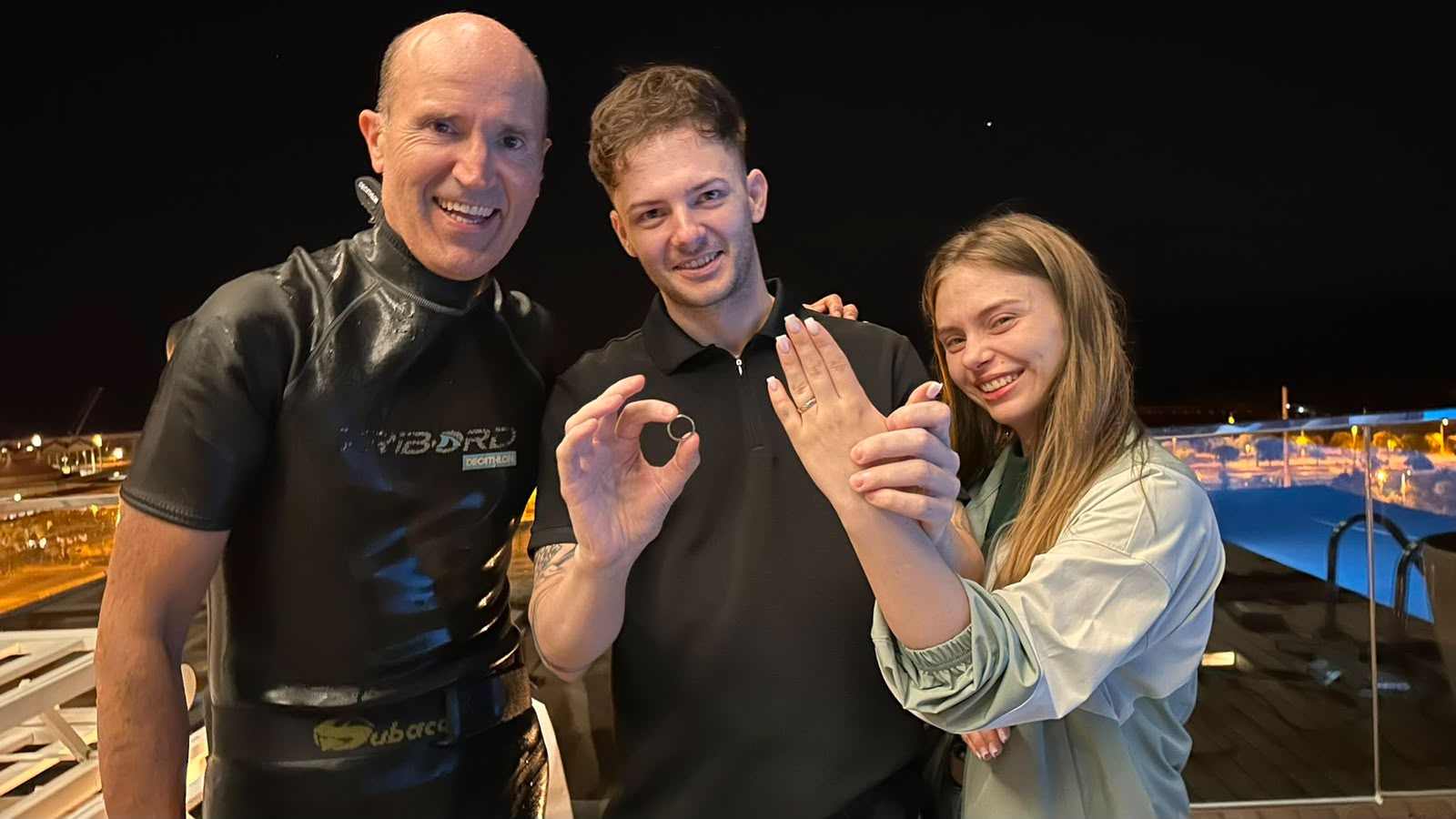
Ring Seekers is a lost ring and jewellery recovery service that connects people who lost a ring, wedding band, watch or phone in Barcelona or on the Costa Brava with a metal detectorist who can search there. We have searched in Spain before, and Ring Seekers has recovered a ring from a swimming pool in Barcelona.

Tell us what happened and where. We find a detectorist who can reach your beach or town, brief them with your map and photos, and tell you honestly if the odds are poor.

Barcelona and the Costa Brava, Lloret de Mar and Girona, lost ring and jewellery recovery

How a search works from Barceloneta to Cadaqués

Mark the spot before you leave it. Line it up with a lifeguard tower, a shower or a beach bar, photograph both directions and drop a pin. Note the time, whether the item went into dry sand, wet sand or water, and how deep you were standing. Then message us on WhatsApp with the pin, the photos and a picture of what you lost. You do not need to stay in Spain for a search to go ahead.

We find a detectorist who can reach your town and brief them with your map and photos, so the search starts on the right patch of sand.

Places we cover in Barcelona and the Costa Brava, Lloret de Mar and Girona

  • Barcelona, Barceloneta and Sant Sebastià
  • Barcelona, Nova Icària, Bogatell and Mar Bella
  • Sitges
  • Castelldefels
  • Badalona and the Pont del Petroli
  • Calella and Santa Susanna on the Maresme
  • Costa Brava
  • Blanes and S'Abanell beach
  • Lloret de Mar, Lloret beach and Fenals
  • Santa Cristina, Sa Boadella and Cala Canyelles
  • Tossa de Mar, Platja Gran and Mar Menuda
  • Platja d'Aro
  • Calonge i Sant Antoni
  • Palamós
  • Calella de Palafrugell, Canadell and Port Bo
  • L'Estartit and the Medes Islands
  • L'Escala, Les Barques beach
  • Roses, Salatar and La Punta
  • Cala Montjoi and the Cap de Creus coves of Roses
  • Cadaqués, Es Llané and Portlligat
  • Girona city

Where rings and jewellery go missing between Barcelona and Cap de Creus

City beaches, coarse sand resorts and the fine sand bays of the north.

Barcelona city beaches

The city beaches run in a line from Sant Sebastià and Barceloneta past the Olympic port to Nova Icària, Bogatell and Mar Bella. The city council gives Sant Sebastià as about 660 metres long, Barceloneta as 422 metres, Nova Icària as 415 metres and Bogatell as 702 metres. Rings come off with sun cream and in the water, and phones, watches and sunglasses go missing around towels and beach bars.

Badalona and the Maresme

Badalona town hall counts 9 beaches along almost 5 kilometres of coast, and its Pont del Petroli is an old pier that runs about 250 metres out to sea. Beyond it the Maresme coast runs 55 kilometres from Montgat to the mouth of the Tordera, on medium and coarse sand. Calella's Platja Gran is 1,388 metres long, and Platja de les Dunes in Santa Susanna is 1,000 metres.

Blanes and S'Abanell

S'Abanell in Blanes is 2,380 metres of coarse golden sand. The Costa Brava tourist board notes that it is heavily exposed to storms and that the amount of sand changes through the year, so an old loss here is a harder case than a fresh one.

Lloret de Mar

Lloret beach is the largest in the town, 1,630 metres long and 45 metres wide, with coarse sand and a 10 percent slope. Lifeguards are on duty from 15 May to 15 October. Fenals, Santa Cristina, Sa Boadella and Cala Canyelles are the other main beaches, and with Lloret beach they hold the town's five Blue Flags.

Tossa de Mar

Platja Gran sits under the walled old town and Cape Tossa. It is 345 metres long and 85 metres wide, with coarse sand, and the tourist board notes significant depth within a few metres of the shoreline. Say how deep you were standing.

Platja d'Aro, Palamós and Calella de Palafrugell

Platja Gran in Platja d'Aro is 2,162 metres of coarse sand, 56 metres wide, between the Cavall Bernat rock and the mouth of the Ridaura. Platja Gran in Palamós is mainly fine sand and about 575 metres long. In Calella de Palafrugell, Canadell is a small beach of coarse sand a few metres from Port Bo.

L'Estartit, the Medes Islands and L'Escala

The main section of Platja Gran in L'Estartit is about 1 kilometre of fine sand, 100 metres wide, facing the Medes Islands. Boats run out from L'Estartit to the islands and the sea caves of the Montgrí coast, and divers and snorkellers go too, so a ring lost over the side needs a diver and the boat's position. In L'Escala, the town beach of Les Barques is coarse sand right in the centre.

Roses, Cadaqués and the Cap de Creus coves

Roses has fine sand in town, including the 500 metre Salatar beach, and the coves of the Cap de Creus Natural Park to the east. Cala Montjoi, about 9 kilometres out, is 270 metres of coarse sand and pebbles, reached by car, on foot or by boat. Cadaqués is a fishing town, and Es Llané, 1 kilometre from the centre, is two stretches of coarse sand and stones with small fishing boats drawn up on the shore.

What Ring Seekers does for a loss in Barcelona or on the Costa Brava

One contact on WhatsApp

You explain what happened once, and the same person stays with you until it is settled.

The detectorist is briefed with your map

The detectorist gets your pin, your photos and a picture of the item before setting out.

Plain about poor odds

A ring lost from a moving boat off Cadaqués is a poor bet. We say so before anything is booked.

We know how this sand and sea behave

Steep coarse sand at Lloret de Mar and Tossa de Mar, and a sea with next to no tide, shape how each search is planned.

Costs explained first

We explain the costs before any search is booked.

Sand, sea and night cleaning from Barcelona to Roses

The ground and the water along this coast.

Coarse sand in the south, fine sand in the north

Blanes, Lloret de Mar, Tossa de Mar and Platja d'Aro have coarse sand, which is loose on a steep shore, so a heavy ring works its way down quickly where the waves break. Palamós, L'Estartit and Roses are fine sand, and La Punta in Roses has shallow water, which is easier ground for a detector.

A sea with almost no tide

There is next to no tide on this coast, so the water line stays where it is. Storms are what change a beach here, as at S'Abanell. A search in the water waits for a calm morning.

Night cleaning on the Barcelona beaches

Barcelona City Council says the sand on its beaches is raked by machine every night in the bathing season. A ring left on the dry sand in the evening may be lifted or shifted by morning.

Questions about Barcelona and the Costa Brava, Lloret de Mar and Girona

I lost my wedding ring on Barceloneta or Bogatell beach. What should I do first?

Pin the spot and photograph it against a lifeguard tower or a shower. Tell the beach information point, which the city runs on Barceloneta, Bogatell and Mar Bella in the bathing season. The city's Lost Property Office keeps handed-in items for six months. Do this the same day, because the sand is raked by machine at night. Then message us about the lost wedding ring with the pin and the time.

Possibly. The main beach is coarse sand on a 10 percent slope, so the water deepens fast and we need to know how deep you were standing. Up to about waist depth a detectorist can work on foot. Tell the lifeguards, who are on duty from 15 May to 15 October, and line the spot up with something fixed on the shore. Then send us the pin.

A lost Oura ring or a watch has enough metal to give a clear signal. The water is the problem, because at Tossa it gets deep within a few metres of the shore. Beyond wading depth it is a job for a diver, and only if you can place the spot closely.

Sometimes. The Pont del Petroli runs about 250 metres out to sea, so anything dropped from it needs a diver. A phone is a large, easy target for a diver with a detector if you can say which part of the pier you were on. From a moving boat with no position fix, we would tell you not to book anything.

Roses is kinder ground than most of this coast. Its Salatar beach is 500 metres of fine sand, and La Punta is very fine sand with shallow water. In L'Escala, name the landmark nearest your towel on Les Barques beach. A small earring is a hard target even for a good detector, so a close position matters.

Pin the spot before you leave it and photograph it in both directions against a lifeguard tower, a shower or a beach bar. Report the loss to the local police and the nearest beach bar the same day. Then message us with the pin, the time and a picture of the ring.

Girona is inland, 99 kilometres northeast of Barcelona. The walled old quarter is stone underfoot, so that is a search by eye plus a call to the hotel and the local police. A detector earns its place on a lawn or in a private garden.

Barcelona and the Costa Brava, Lloret de Mar and Girona

Lost something between Barcelona and Cadaqués? Pin the spot, then tell us

Which town and beach, which landmark, what time, dry sand, wet sand or water, and a photo of what you lost.

Pin the place before your flight, tell the beach staff or the local police, and message us on WhatsApp with the where and when.

Recent recoveries in this area

Real searches from this area, each told in full on its own page.

See all recoveries