

Lost a ring in the garden? Why it is harder than the beach
A ring lost on the lawn stays put, but garden soil hides it well. Why old nails, foil and iron-rich ground make a garden search slow, and what helps.
Kerry, Clare and Galway
An earring lost on the sand at Kilkee is worth looking for when the family can agree where the rug and the bags were, not only which beach it was. That shared memory of your patch of sand, turned into a pin, is where the detectorist starts.
Ring Seekers is a lost ring and jewellery recovery service that works with experienced local metal detectorists to search for a ring, wedding band, watch, keys or phone lost in Kerry, Clare or Galway, three counties on the Atlantic side of Ireland.
Tell us what happened and where. We choose an experienced detectorist who knows that stretch of sand or pavement, brief them with your map and photos, and tell you honestly if the odds are poor.
Beyond Kilkee, we cover Ballybunion in north Kerry, Lahinch at the head of Liscannor Bay, and Galway city with Salthill and the Prom.
Take out the earring that is still in, put it in a zipped pocket and photograph it front and back, so the size and the fitting are clear. While you are still on your patch of sand, save the location in your phone's maps app and take one wide picture with the lifeguard station or the houses behind you in it. Ask the children to stop digging for now, and fold the towels without shaking them out.
The ground differs from town to town. In Kilkee, Ballybunion and Lahinch it is the beaches, the rocks and the streets behind them. In Galway it is the Salthill beaches and the Prom, the city parks and pitches, and Shop Street.
Ballybunion, in Kerry, comes first, then Kilkee and Lahinch in Clare, and Galway last.
Men's Beach and Ladies' Beach are the two Ballybunion beaches most people use. A cliff divides them, so whichever side you were on, you have a landmark to measure from. People come here to sit in the sun, and to surf. Beyond Men's Beach, the Long Strand runs on below the sand hills where the golf links lie. Name the beach, give a rough distance from the cliff, and say whether you went up to Main Street during the day.
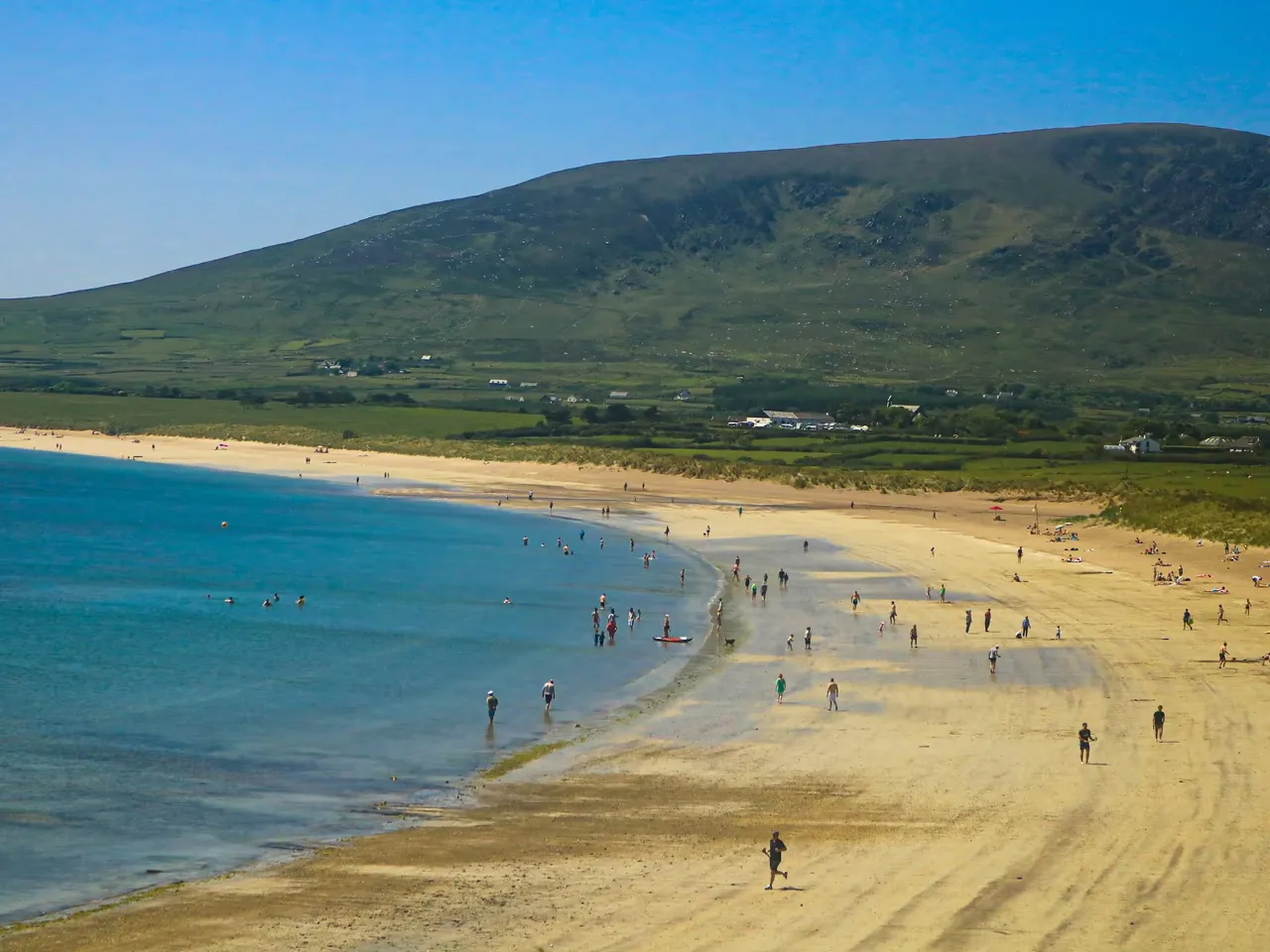
Kilkee Beach is a crescent of sand in Moore Bay, and it is fairly flat over most of its width. A reef keeps the full force of the Atlantic off the swimmers, and people sail in the bay as well. On the sand itself, the lifeguard station is the obvious reference.
Off the beach, a loss in Kilkee usually lies somewhere on a route: from the car to the sand, along Strand Line, into a shop or a café and back again. Write that route down in the order you walked it, with any street names you remember, and mark the parking spot.
Lahinch is a surf town at the head of Liscannor Bay, not far from the Cliffs of Moher. Main Street has brightly coloured shopfronts, the Promenade meets the Atlantic, and public parking runs alongside it. The crescent of sand below is used for surfing, sea kayaking and kite surfing, and runs north to the dunes by the Inagh River Estuary. Lahinch Playground, run by Clare County Council, is the town's seaside playground. Say which of those it was, and whether you were walking, sitting or playing.
The Prom runs from the Claddagh Quay out to the Blackrock diving tower, with plenty of benches and views across Galway Bay. Below it lie small beaches separated by outcrops, some sandy and some pebbly, from Grattan Beach past Ladies Beach to Blackrock, where people swim and dive from the tower. By local tradition, anyone who walks the whole length of the Prom kicks the wall. The bench, the beach or the side road you came down are the markers to give.
Galway City Council runs both Salthill Park, with its bandstand and five-a-side pitch, and Quincentennial Park, with an ornamental pond. In the Claddagh, South Park has pitches and a playground, with the shore of the bay along its edge. In the city centre, Shop Street runs through the heart of the Latin Quarter. On grass, say what you were doing: a picnic, a match, pushing a swing.
Your case has one handler from the first reply to the last. Anything you remember later, like which child had the spade, goes to that same person.
Children who were digging beside you often remember where the bucket stood and who sat where. The detectorist gets their account along with yours, your pins and your photos.
A stud earring with no pin at all, only the word Kilkee, is a long shot, and you would hear that from us first.
We explain the costs before any search is booked, and nobody will press you for an answer.
Kilkee, Ballybunion and Lahinch are about sand and sea. Galway adds paving and grass to the beaches.
Marine Institute tide predictions cover Galway, Lahinch, Carrigaholt and Kilrush, among other places. Put the hour you noticed next to the table for that day, and it shows whether the sea was rising or falling.
Swimmers and sailors both use Kilkee Bay. Were you swimming, paddling at the edge or getting into a boat? Add your rough distance from the lifeguard station.
On Main Street in Lahinch, on Shop Street, in the parks or on the South Park pitches, the order you went round in matters more than the hour. Name whatever was nearest the spot: the bandstand, the pond, a shop door or a corner flag.
Want a first idea of your chances? Try the lost ring recovery calculator.
Pin the place where that pocket was last opened, whether for a phone, a tissue or a ticket. Then add each bench you sat on and anywhere you stepped off the Prom along the way. There are plenty of benches along the way, so the few you actually used narrow things down a great deal. A photo of the fob, the ring and any tag on it gives the size and shape to look for.
South Park has Gaelic, rugby and soccer pitches as well as a playground, so start with which pitch you were beside. Mark where you stood, which end was nearer to you, and whether you changed sides at half time. If anyone snapped the match from your spot, that picture records the angle across the pitch, so ask for it.
Pin your entry point into the water, give your rough distance from the lifeguard station, and say when you noticed. Did you swim straight out and back, or let the water carry you along the beach? People sail in the bay as well as swim, so mention any boat that was close by.
The cliff between Ladies' Beach and Men's Beach is the reference everyone on the sand can see. Estimate how far from it you were, tell us if you swam or walked round to Men's Beach, and describe your way back up into the town. A picture showing the bracelet's clasp helps too.
Go through the walk in order: the car, each shop you went into on Main Street, and where you came out onto the Promenade. If the children went into the playground on the way, add that too. The time of your last call or photo matters, because it fixes where the phone still was.
Photograph the garden from the back door and again from the far end, then mark on one of the pictures where you sat or worked when you noticed. Ask the owner not to mow until you have heard back from us. If you are home already, the photos you took during the stay are a good start.
Salthill Park has a bandstand, a five-a-side pitch, paths and seating, while Quincentennial Park, also in Salthill, has an ornamental pond, so make sure first which park it was. Then tell us where on the grass you settled, by which gate or path you entered, and whether a ball game was going on nearby. A picture with the necklace on shows its length and clasp better than any description.
It can. The detectorist works from your pins and notes, so nobody has to go back to Kilkee or Salthill with them. Write the day down now, stop by stop, rough times included, and note the last moment you know it was still on.
Kerry, Clare and Galway
On WhatsApp, name the town and what has gone. If an earring is missing, add a picture of its partner to that first message. Our questions about the spot follow from there.
If you need a ring finder nearby, we find you an experienced local detectorist who knows the area and brings a metal detector to the spot you marked.
Lost it just now? Do this first Who to tell where you lost it
From our blog: what to do after losing a ring here, and how a search works.
A ring lost on the lawn stays put, but garden soil hides it well. Why old nails, foil and iron-rich ground make a garden search slow, and what helps.