Choosing a detector for wet sand and shallow water
A brand-neutral guide for detectorists on searching wet sand and the shallows for lost rings, from pulse induction and multi-frequency to scoops.
Portugal
Something lost on a beach in Portugal can be searched for when you can say where you were and at what time. Mainland and islands alike have two high waters and two low waters a day, so the hour you last had it on shows where the sea stood, and that is where a search begins.
Ring Seekers is a lost ring and jewellery recovery service that works with experienced local metal detectorists to search for a ring, wedding band, watch, keys or phone lost in Portugal. Tell us what happened and where. We choose an experienced detectorist who knows the beach, brief them with your map and photos, and tell you honestly if the odds are poor.
We have arranged a search in Portugal before.

The Algarve's long sandy beaches lie below golden cliffs, with small bays nestled between the rocks, and its sea is mostly calm and warm, good for long swims. The Alentejo coast is hilly and rugged, with wild beaches. In the Centre region the sea beaches lie open to the Atlantic, with surf at Peniche and giant waves at Nazaré, while inland there are river beaches surrounded by forest.
Madeira and Porto Santo sit right in the middle of the Atlantic. The Azores are out there too, and on Santa Maria, in the east of the group, the beaches are warm white sand.
From your first message to the last word on the search, you deal with one person at Ring Seekers, whichever part of Portugal the loss was in.
The detectorist sets out knowing what the item looks like, where you were sitting or swimming and the time you noticed, because all of it is handed on with your pin and photos.
A day spread over several beaches, with no photo of any of them, gives a search very little to start from. If your case looks like that, we tell you before anything is arranged.
We explain the costs before any search is booked.
Pick the region where it happened. Five of them have an area page of their own, named in the card. Peniche, Nazaré, the Alentejo coast and the river beaches do not, so for those, this page and a message to us are where to start.
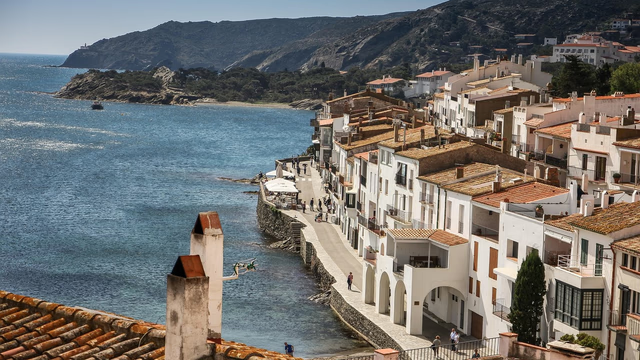
Portimão and Albufeira are bustling towns by night and day, so if a ring was gone by the end of an evening out, go back over the streets and terraces as well as the beach. The beaches from the Costa Vicentina, Lagos and Sagres to the Ria Formosa islands, Tavira and Monte Gordo are on the Algarve page.
Lisbon is the centre of a coast of beaches, beach resorts and, farther along, surfing beaches. Carcavelos to Guincho, and Costa da Caparica to Arrábida, are on the Lisbon and Cascais page.
Porto is the gateway to the north. The Porto and the north page follows the coast from Costa Nova and Espinho past Matosinhos and Póvoa de Varzim to Viana do Castelo and Caminha. A loss on a cruise up the Douro has its own question further down.
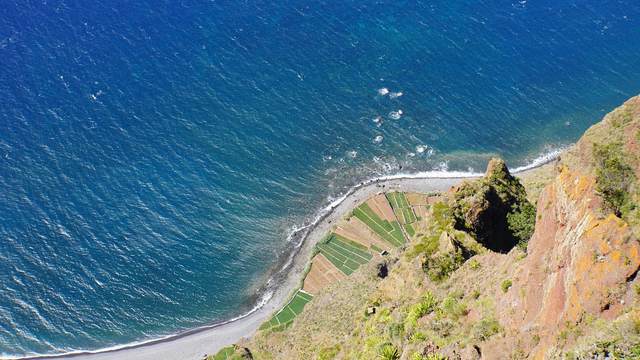
Boat rides along the coast, scuba diving and surfing over point and reef breaks all take visitors out on the water around Madeira. For a beach or a place to swim, from Funchal and Ponta de São Lourenço to Porto Santo, open the Madeira and Porto Santo page.
Boats go out from the islands to watch whales and dolphins, some of them from the marina at Horta on Faial. Anything that goes over the side on one of these trips is somewhere along the boat's route, not at a spot you can walk back to. São Miguel, with its lakes and natural pools, Terceira, Faial, Pico and Santa Maria have their beaches on the Azores page.
The Centre region's coast mixes fishing villages with cosmopolitan beaches where water sports set the pace. None of it has an area page, and nor do the Alentejo shore or the Centre's river beaches, so a loss at Peniche, Nazaré or anywhere on those coasts comes straight to us, with the beach name. Boats from Peniche also cross to Berlenga Grande, where the beach at Carreiro do Mosteiro sits beside the landing quay, with clear water for snorkelling, canoeing and paddle boarding.
The same four steps on the mainland, on Madeira and in the Azores.
A WhatsApp message saying what the item is, which region and beach, and the moment you noticed your finger or wrist was bare.
A picture of the item and the time you last had it on. Your location from the spot, and pictures of the place, follow in a private chat once you decide to go ahead.
We brief a detectorist who can reach that beach with everything you sent us.
Nothing is booked without your agreement. After the search you are told which ground was covered and whether the item turned up.
Peniche and Nazaré are handled from this page, as neither has an area page. Their beaches lie open to the Atlantic, so the time matters as well as the place: tell us when you went in and when you noticed, whether the bracelet went in the surf or on the sand, and send a photo of it.
Many of the small sheltered coves between the Alentejo cliffs are good for surfing. A small cove gives a search a narrower place to start than a long open beach, so name it, and say whether the band went while paddling out, in the waves or on the sand. There is no Alentejo area page, so write to us directly.
It gives a search something to work on. Porto da Cruz is where people go on Madeira to begin surfing or to improve, because of its swell and its sandy bottom, while Jardim do Mar and Paul do Mar have big, powerful waves. Note where you paddled out, say roughly where you came back in and at what time, and send a photo of the watch.
If it went in the open sea during the swim, it is a long shot, and you would hear that from us first. Before that, think back to whether it was still on when you went in. If it could have come off on the boat or on the quay, tell us which island and harbour the trip left from and when you came back in.
The Centre has river beaches surrounded by forest as well as its sea beaches, and none of them has an area page here. Tell us the river and the name of the beach, and whether the earring went in the water or on the bank. Name the beach, and describe the metal and any stone.
Start from the last place you know you had them and work forward. The road runs past beach resorts with marinas and terraces as well as beaches, and keys dropped on a terrace or by a marina are a different search from keys dropped in sand. Give us the stops in order and a photo of the keys and fob.
It depends which stretch of river. Cruises make their way upriver through the Douro valley, so tell us first whether it happened near Porto or farther upriver, and roughly when. If it fell into the river at Ribeira, in Porto itself, the Porto and the north page covers that. A bracelet in river water is a hard case, and we will tell you honestly whether a search is worth running.
Roughly 50 minutes later than today. Portuguese tides run on average about 50 minutes later each day, so the water will be back at the same point that much later tomorrow. A tide table for the nearest port gives the exact time. Send us the time you lost the ring as well as the beach.
Portugal
Write down the item, the beach and roughly what time it went, and send it to us on WhatsApp. Keep a pin of where you were on your phone for later.
Many people search for a ring finder after a loss like this. Here, that is an experienced local detectorist with a metal detector, chosen because they know the area.
Lost it just now? Do this first Who to tell where you lost it
From our blog: what to do after losing a ring here, and how a search works.
A brand-neutral guide for detectorists on searching wet sand and the shallows for lost rings, from pulse induction and multi-frequency to scoops.
Looking for someone with a metal detector near you to find a lost ring? What to ask them, what to send, and why a local who knows the beach matters.
What a lost ring search with Ring Seekers looks like from the detectorist's side, from the first brief to handing the ring back, and who we look for.
Lost a ring on a Madeira beach? Why volcanic pebbles hide it, how the Atlantic swell changes things, and when a dive centre is the realistic route.
Lost a ring on an Algarve beach? How the Atlantic tide moves it at Albufeira, Quinta do Lago and Lagos, and what to do before you leave the sand.
The first message to a ring finder decides how fast a search can start. Here are the five details that shrink a search zone, and why each one matters.