Lost a ring on a Sicilian beach at Cefalù or Mondello
Lost a ring at Mondello, Cefalù or Taormina? What to do in the first few minutes, how Sicilian sand and pebble behave, and how a search works.
Italy
An Oura ring or a band lost at Ostia, or on any beach in Italy, is worth searching for once the day narrows to one beach and one part of it. Two things shape the odds: whether it went on the sand or in the water, and how firmly you can put a finger on the map.
Ring Seekers is a lost ring and jewellery recovery service that works with experienced local metal detectorists to search for a ring, wedding band, watch, keys or phone lost in Italy. Tell us what happened and where. We choose an experienced detectorist who knows the beach, brief them with your map and photos, and tell you honestly if the odds are poor.
Ostia and Riva del Garda are described in full lower down. The rest of the coast is split into area pages, and a short card for each one shows where your town falls.
At Lignano, Rimini and Milano Marittima the sea is shallow close to the shore. Farther south and west, the places we cover include ferry piers and the steps down to the water on the Amalfi Coast, the lanes of Tropea's old town in Calabria and the Passeggiata in Viareggio in Tuscany.
Rome's beaches at Ostia are a line of free public beaches on the seafront. Riva del Garda sits at the northern end of Lake Garda, and the two beaches described here mix pebbles, stones and gravel with grass.
Everything you send on WhatsApp goes to the same person at Ring Seekers, so you never have to tell the story of the day twice.
The detectorist sets out with your map pins, your photos and the times you remember, so the search starts from where you actually were.
We explain the costs before any search is booked, once we know which beach or street it is and how much of it needs covering.
If you live in Italy and the ring went in your own garden or a park near home, it works the same way as a loss on a holiday beach.
Knowing the region is enough to start: a loss on Capri goes with Positano and Sorrento, one in Cervia with Rimini. Ostia and Riva del Garda have no page of their own, so the last two cards describe their beaches.
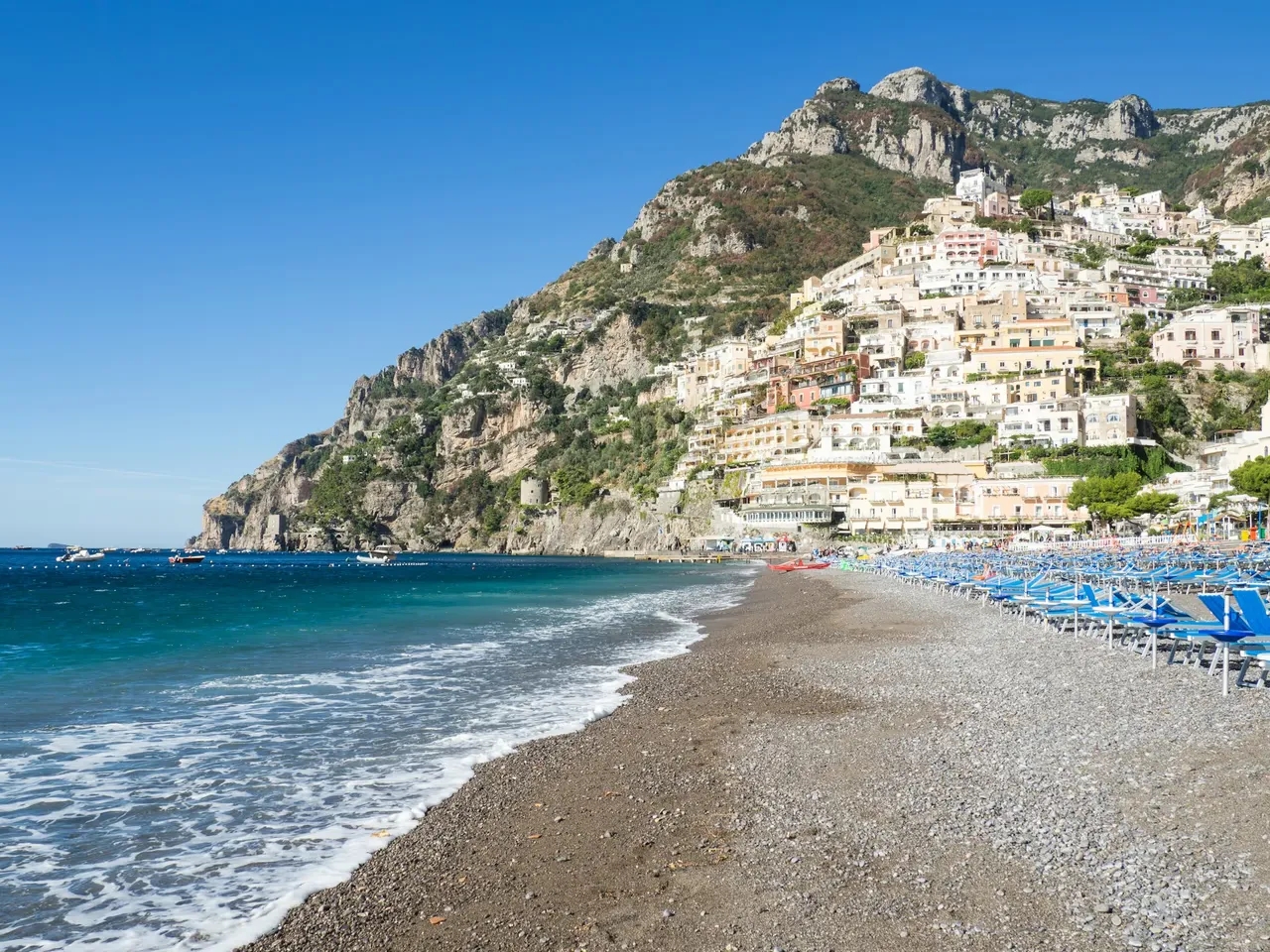
Positano's Spiaggia Grande, pier, Fornillo and Arienzo, Amalfi's Marina Grande and pier, Atrani, Sorrento's marinas and Puolo, Capri's two marinas, and Ischia from the port to Maronti and Sant'Angelo.
The Lido from San Nicolò to Alberoni, Jesolo's piers, piazzas and Cortellazzo, Lignano from Sabbiadoro to the Tagliamento, and Grado from Costa Azzurra to Grado Pineta and the Isonzo mouth.
Rimini's seafront from Torre Pedrera to Miramare, Viale Ceccarini and the free beaches of Riccione, Milano Marittima and its pinewood, and Cervia's centre, beach, canal port and salt pan.
In Sardinia, Porto Cervo with the Pevero beaches, Liscia Ruja and Capriccioli, La Cinta, Lu Impostu, Cala Brandinchi and Cala d'Ambra at San Teodoro, Alghero's Lido, Maria Pia and Le Bombarde, and the Poetto and Calamosca at Cagliari.
Across Puglia, the Purità, Rivabella and Baia Verde in Gallipoli, Porto Cesareo with Torre Lapillo and Punta Prosciutto, Otranto's beaches, Alimini and the Baia dei Turchi, Lama Monachile in Polignano a Mare, and the Castello beach in Vieste.
On Sicily, Mondello, Valdesi and Capo Gallo in Palermo, the town beach and old harbour in Cefalù, the Giardini Naxos seafront, and in Taormina the Corso Umberto, the cable car to Mazzarò and Isola Bella, and Spisone and Mazzeo.
Tropea's old town and the Rotonda, Mare Piccolo, Mare Grande and Cannone beaches below it, Grotticelle at Capo Vaticano, Michelino in Parghelia, Paradiso del Sub in Zambrone, Pizzo's centre and beaches, and Vibo Marina.
The Passeggiata, the Darsena, the Pineta di Ponente and the Lecciona in Viareggio, the Pontile, the squares and Le Dune beach at Forte dei Marmi, and Monterosso's station, Fegina beach and old centre.
Roma Capitale lists a string of free public beaches, spiagge libere, along the seafront at Ostia, and most of them carry the name of a colour. Grigia, Cotto, Ocra, Senape, Limone, Rosa and Sabbia are on Lungomare Duca degli Abruzzi in Ostia Ponente, while Verde, Gialla and Sposi are on Lungomare Paolo Toscanelli in Ostia Levante. The beach's name and the nearest side street are the two details to send us first.
On Via Giancarlo Maroni, an easy walk from the centre of Riva del Garda, a free beach runs along the lakefront with light pebbles, patches of grass and no services. On the Lungolago dei Pini, stones and gravel alternate along the Spiaggia dei Pini, which also has a large green space, an area kept for windsurfers and a small playground with a sandpit.
The order is the same for Ostia, for Riva del Garda and for every coast page above.
Say on WhatsApp what came off and where you were staying or swimming. If you know the moment it went, describe it: stepping off a ferry, towelling off, a game on the sand.
Send a picture of the item or its pair. A pin where you think it went, and a shot of the beach entrance or a street sign nearby, come later in a private chat.
We ask around for a metal detectorist who can get to the beach, lakefront or street, and hand over everything you have sent as their brief.
The detectorist searches on the day agreed with you, and you get a message afterwards naming the stretch of sand, lawn or street that was gone over, and what turned up.
The seafront road you walked along does most of the work. Grigia, Ocra and the other colours on Lungomare Duca degli Abruzzi are in Ostia Ponente, while Verde, Gialla and Sposi are on Lungomare Paolo Toscanelli in Ostia Levante. Once you know the road, only a few beaches are left to choose from. Pin where you think you sat on your phone and send a photo of the chain.
That beach mixes light pebbles with patches of grass, so first tell us which of the two you were lying on. Pin the spot for yourself, keep a photo looking out at the lake from there, and give us the make of the phone and the colour of its case.
Part of that beach is kept for windsurfers, and the shore is stones and gravel. Mark where you rigged the board and where you walked it in. If the watch went once you were sailing well out, it is a long shot, and you would hear that from us first.
A sandpit is a small patch with clear edges, which works in your favour. Say whether she also ran about on the green space or went down to the stones by the water. If the other earring is still at home, a photo of it is the best description the detectorist can have.
Both stops are on the Amalfi Coast, Sorrento, Capri and Ischia page, which takes in the beach and ferry pier at Positano and the harbour and Marina Piccola on Capri. Send them in one message, in the order you made them, with the boat you took between the two.
On the Rimini, Riccione and Milano Marittima page. Milano Marittima belongs to the comune of Cervia, and that page covers Cervia's centre, seafront, canal port and salt pan as well as Milano Marittima itself.
A garden is ground you can go back to whenever you like, which counts for a lot. Tell us which beds you worked on, whether anything has been dug or mown there since, and keep photos of that corner.
Italy
For Ostia, have the beach's name ready; for Riva del Garda, the beach or the lakefront street. Then send us a WhatsApp message with the town, the missing piece and the day.
Many people search for a ring finder after a loss like this. Here, that is an experienced local detectorist with a metal detector, chosen because they know the area.
Lost it just now? Do this first Who to tell where you lost it
From our blog: what to do after losing a ring here, and how a search works.
Lost a ring at Mondello, Cefalù or Taormina? What to do in the first few minutes, how Sicilian sand and pebble behave, and how a search works.
Lost a ring at Venice Lido, Jesolo or Grado? How the soft Adriatic sand and shallow water behave, where rings settle, and what to do first.