Searching a pebble beach for one lost ring
For detectorists. How to search shingle and pebble beaches for one lost ring, why the holes keep collapsing, and how to recover a gold band.
Sussex coast, Brighton, Eastbourne and Camber Sands
A lost wedding ring on a Sussex beach can often be found if you can place the spot and act before the next tide or storm moves the shingle. What decides it is how exactly you can mark where it happened, and whether it went into dry pebbles, wet sand or the sea. Most of this coast is shingle with sand at low water; Camber Sands is sand that runs out almost a kilometre at low tide.
Ring Seekers is a lost ring and jewellery recovery service that works with experienced local metal detectorists to search for a ring, wedding band, watch or phone lost on the Sussex coast, from Worthing and Brighton to Eastbourne, Hastings and Camber Sands. We also cover the Kent coast and Surrey, among other areas of the United Kingdom. Tell us what happened and where. We choose an experienced detectorist who knows the coast, brief them with your map and photos, and tell you honestly if the odds are poor.
Metal detector hire in Sussex can work for a fresh loss on dry shingle or sand where you know the spot to a few metres. Wet sand, the surf, a small item like an earring or a wide beach like Camber call for a detectorist who works the tide. That is what people typing metal detectorist near me in Sussex usually need.
In the first hour, fix the spot. Line yourself up with two things that do not move, such as the Palace Pier and a groyne at Brighton, or the Wish Tower and a lifeguard post at Eastbourne, and take a photo each way. Drop a pin, note the time and the state of the tide. Then message us which beach and when, with a picture of what you lost, and keep the pin for later.
We brief an experienced local detectorist and send them your pin and the tide times.
Each beach has its own way of taking a ring.
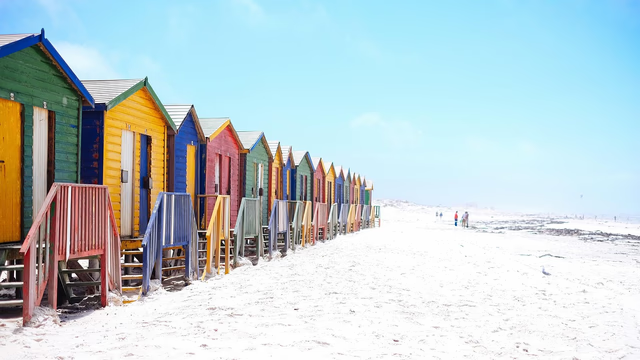
At the mouth of Chichester Harbour, about 7 miles south of Chichester, West Wittering is a gently sloping sandy beach backed by low dunes and a row of coloured beach huts. At its western end East Head, a spit of sand and shingle, curls north into the harbour with shifting dunes and salt marsh behind. There are no lifeguards. Say whether you were in front of the huts, out on the spit or on the harbour side.
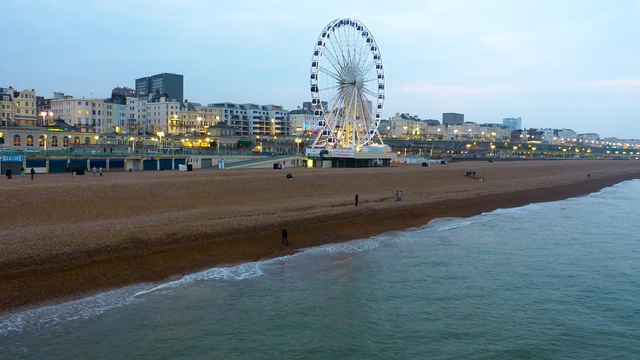
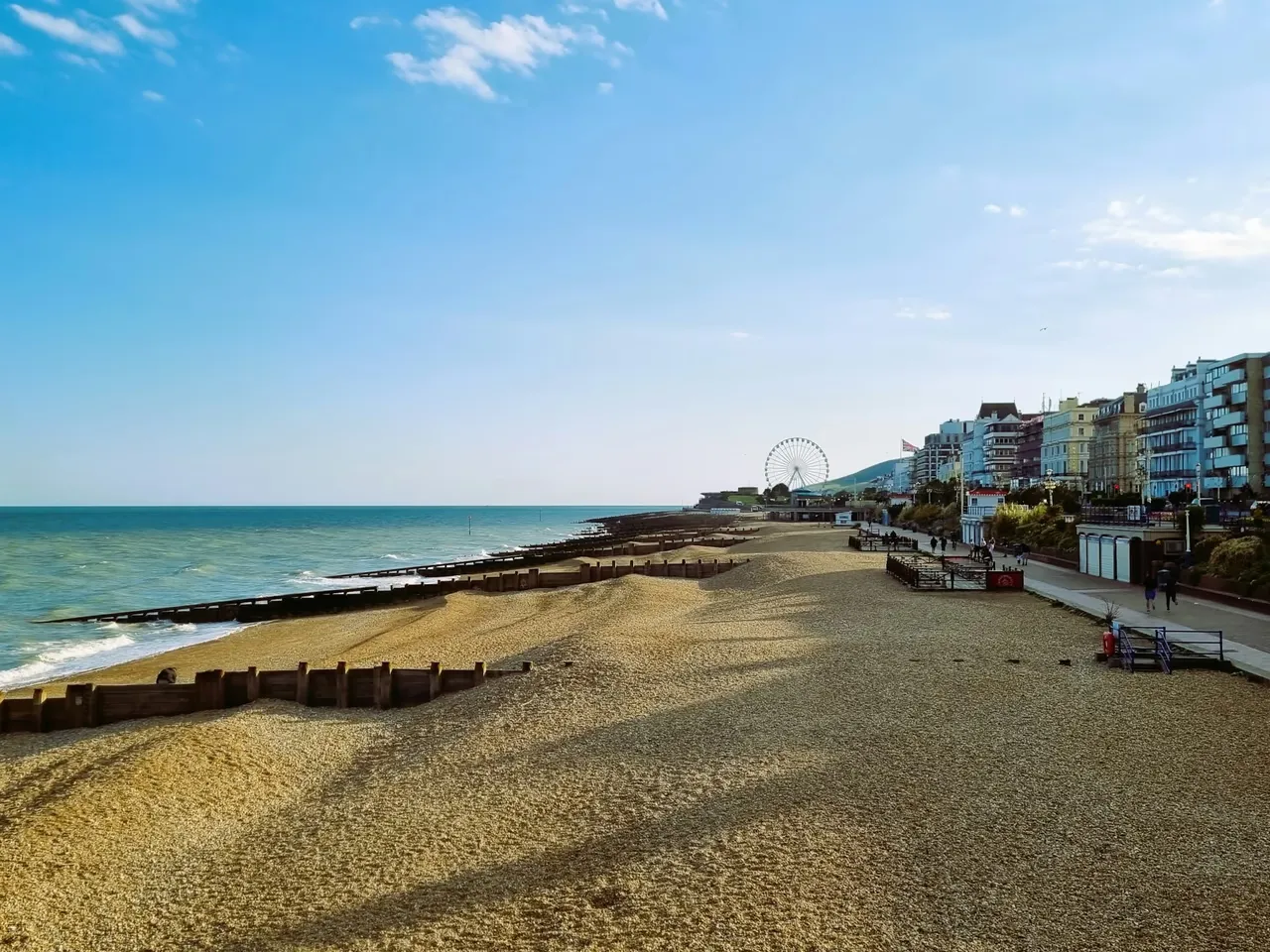
Brighton has eight miles of beach from Shoreham to Rottingdean, and it is shingle. The pebbles are the main defence against the sea, held by timber groynes, and longshore drift pushes them east, so the council moves about 16,000 cubic metres of shingle a year back west from Brighton Marina. Rings go into the pebbles by the Palace Pier and come off on the grass of Hove Lawns. New groynes are being built along Kings Esplanade in Hove until around November 2026, so tell us if your loss was near the works.
Birling Gap is the National Trust beach under the Seven Sisters, reached by 50 steps in four flights. The shore has pebbles and sand with rock pools, under chalk cliffs that erode by up to a metre a year, and the Trust asks visitors to stay 5 metres from the cliff edge and base. Bracelets and earrings go missing over the rock pools, and a search is timed for low water with the stairs in sight.
Eastbourne has more than 3 miles of shingle beaches with sand and rock pools at low tide. The main resort beach between the Wish Tower and the Pier has lifeguards, first aid and marked swimming zones. Holywell sits at the foot of the Downs with beach huts, and the beaches at Harbour Reach are not lifeguarded. Phones and sunglasses go over the rail of the Pier, and rings come off in the water off the Grand Parade.
The Hastings seafront runs from the Old Town to Bulverhythe, pebbles with sand at low tide. Council lifeguards patrol the flagged areas at Pelham Beach and Marina Beach daily from 11am to 6pm between mid July and early September. The groynes are numbered, which helps with marking a spot; the barbecue area at St Leonards sits between groynes 47 and 51a at Sea Road.
Camber, east of Rye, is a sandy beach of more than 2 miles with the only sand dune system in East Sussex, and rings go missing in the dunes as well as on the flats. At low tide the sand runs out almost a kilometre, and the beach is growing, with about 7,500 cubic metres of sand deposited every year. Lifeguards cover Camber Central daily from 10am to 6pm from 23 May to 27 September 2026 and Camber Western daily from 18 July to 6 September. The incoming tide is fast.
You explain it once. You talk to one organiser from first message to final answer.
A ring lost in the surf at Brighton with no fixed point, or out on the Camber flats hours before you called, is a poor bet. You get that answer before a search is booked.
Pebbles behave differently from sand, and the Camber tide comes in fast. The detectorist is briefed on the tide window for your spot.
We explain the costs before any search is booked.
What a search here has to work around.
The Brighton Marina tide table for Thursday 17 September 2026 gave highs of 5.80 and 5.70 metres and lows of 1.50 and 1.70 metres, a rise of more than 4 metres. At Camber the beach uncovers almost a kilometre at low water and the tide comes in fast. A search is planned around the lowest tide of the day.
From Worthing to Bexhill the beaches are pebbles at the top with sand when the tide is fully out; Camber is sand from the dunes to the low water mark, soft with mud at low tide. A ring dropped on dry pebbles usually stops a few centimetres down. Brighton and Hove marks out 11 bathing areas from May to September between Hove Lagoon and Saltdean, when a search has to fit around the crowds.
Want a first idea of your chances? Try the lost ring recovery calculator.
Often, yes. A ring dropped on dry pebbles usually stops a few centimetres down. The problem is that every pebble looks the same, so fix the spot before you leave: line yourself up with the pier and a groyne, photograph both ways and drop a pin. A ring lost in the water is harder, because the shingle moves with each tide. Tell us which side of the pier, how far from the water and what time.
A lost Oura ring and most watches contain metal and show on a detector, so it comes down to where you were. Eastbourne's shingle gives way to sand, and in places rock pools, at low tide, so a loss in the swimming zone between the Wish Tower and the Pier is searched on the uncovered ground at low water. Tell us the time, the tide, and roughly how deep you were standing, and send a photo of the item. The nearest groyne can wait for the private chat.
A great deal. At low tide the beach at Camber stretches out almost a kilometre, and Rother District Council warns of fast incoming tides and sandbars that can cut people off. A ring lost on the flats is covered within hours and is searched at the next low water, so the time and the pin matter most here. On the dry sand, mark the spot against a car park entrance or a lifeguard station.
A phone contains metal and shows on a detector, so if it fell onto the beach beside the pier, or into water that drains away at low tide, a detectorist can look when the ground is uncovered. One in deep water off the end of the pier is a job for a diver. Hastings has sand at low tide and pebbles above. A bracelet at St Leonards is a normal beach search, and it helps to know which numbered groyne you were near.
Birling Gap is reached down 50 steps, with pebbles, sand and rock pools below cliffs that erode by up to a metre a year, so a search there is timed for low water with the stairs in sight. Worthing has pebbles nearest the promenade and sand when the tide is fully out, so tell us how far down the beach you were and how far from Worthing Pier.
Some are not found. If the spot is vague, the loss was days ago in the surf, or a storm has moved the shingle since, we tell you before anyone travels. We explain the costs before any search is booked.
Sussex coast, Brighton, Eastbourne and Camber Sands
At Camber the next tide covers the flats within hours, and on the shingle beaches every pebble looks like the last one. Keep a pin and a couple of photos for yourself, and send us the beach and the time on WhatsApp.
Searching for a ring finder? We pick an experienced local detectorist for you, someone with a metal detector who knows the area well.
Lost it just now? Do this first Who to tell where you lost it
From our blog: what to do after losing a ring here, and how a search works.
For detectorists. How to search shingle and pebble beaches for one lost ring, why the holes keep collapsing, and how to recover a gold band.
Why the sunbed rows, the towel line and the first strip of shallow water hold most lost rings, and how a detectorist reads a beach before searching.
Lost a ring on the shingle at Brighton, Hove or Eastbourne? How pebbles hide a ring, what storms do to it, and when a search still makes sense.
Lost a ring at Bournemouth, Boscombe or Sandbanks? How the cold sea and Poole's odd double tide affect a search, and what to do before you leave.
The first hour decides most beach ring recoveries. Here is exactly what to do, what to avoid, and the details that let a detectorist find your ring.