
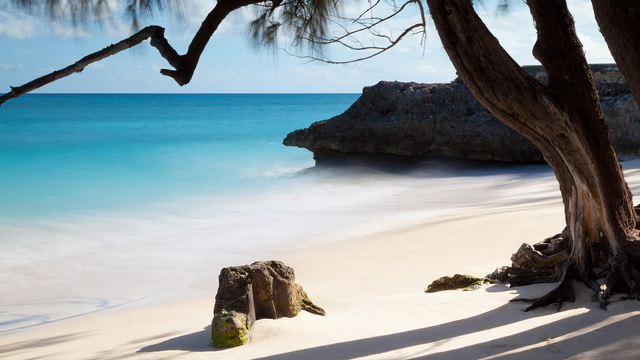
Lost a ring in Barbados, from Mullins Beach to Crane Beach
Lost a ring on a Barbados beach? How the calm west coast, Carlisle Bay, the south coast and the Atlantic side differ, and what to note before you go.
Barbados
On a Barbados beach, the first question about a lost watch or bracelet is how deep the water was. A piece dropped on the sand at Accra Beach or in the shallows at Brownes Beach leaves ground a detectorist can work through, while one let go on a turtle swim from a catamaran is a long shot, and you would hear that from us first.
Ring Seekers is a lost ring and jewelry recovery service that works with experienced local metal detectorists to search for a ring, wedding band, watch, keys or phone lost in Barbados.
Tell us what happened and where. We choose an experienced detectorist who knows the beach, brief them with your map and photos, and tell you honestly if the odds are poor.

Mullins Beach and Sandy Lane Beach, on the west coast, have calm water and gently lapping waves, and Carlisle Bay in Bridgetown is a marine park popular with divers. Along the south coast, Accra Beach has rugged limestone reefs in its outer waters and waves for bodyboarding.
Bathsheba, on the east coast, takes crashing waves driven by the Northeast Trade Winds, with boulders standing in the sea, and strong Atlantic currents limit swimming at Crane Beach. At Bath Beach, unlike the rest of the east coast, the water is safe enough for a general swim.
Every question, update and result comes through one chat with the same person.
The detectorist works outward from the pin you drop and checks your photos against the beach on the day.
A watch let go over the side on a turtle swim is a much harder case than a ring lost at the waterline. If yours is the harder kind, you hear it before anything is arranged.
We ask what the item is made of, whether it was loose on you, and whether anyone with you saw it go.
We explain the costs before any search is booked.
The cards start at Mullins Beach in St. Peter and go round by the south coast to the Atlantic side. Beaches without a card of their own are in the list at the end.
Just outside Speightstown, with white sand, coconut trees and calm water. It often gets crowded, and jet skis, glass-bottom boats and floating trampolines work the water in front. Gibbes Beach, also in St. Peter, is a peaceful spot with clear water for snorkeling. Say whether you had a rented chair or a towel under the coconut trees, and roughly where along the sand.
Turtles come close to shore off Alleyne's Beach, and snorkeling tours stop in the clear water off Holetown beach to see them. Folkestone Park is shaded and breezy, but the water there is very rocky because of the nearby reefs. The West Coast Boardwalk does not run the whole way, so tell us whether you were on it or had stepped down onto one of the beaches along it.
Several catamaran cruises stop at Paynes Bay so guests can swim and snorkel with the turtles, a longer swim out here than at Alleyne's Beach. Sandy Lane Beach has golden sand and calm water, though with some undertow, and luxury accommodation lines the shore.
Carlisle Bay is popular for scuba diving, with several shipwrecks on the bottom and turtles in the clear water. Brownes Beach, a short walk from the city, has soft sand, mellow waves and shallow water at the edge, lined with beach clubs. Pebbles Beach has calm water, and the fish close to shore draw snorkelers.
A wide south coast beach, partly framed by a limestone cliff, with rugged limestone reefs out in the water. Snorkelers wade out past the rocks to the reefs, and bodyboarders ride the waves. Rented chairs sit in the shade of the trees, and a boardwalk runs past cafes and bars. Tell us whether you were among the chairs, in the waves or out by the rocks.
The Gap is the south coast's nightlife strip, with most bars and clubs on its western side and a quieter eastern end. Dover Beach, in the Gap, has clear turquoise water, white sand and plenty of water sports, and hawksbill turtles roam its water. For something lost on a night out, the bar or club you were at is the place to start.
Miami Beach, also called Enterprise Beach, is close to Oistins, with picnic tables and casuarina trees along the sand and a yellow lifeguard hut. Oistins itself is a fishing village whose Bay Garden comes alive on Friday nights, and turtles swim up to the jetty by the fish market.
At Bathsheba boulders stand in the shallow water, and the open sea is not the best for the average swimmer. Surfers and bodyboarders come for the Soup Bowl. Coconut trees shade the beach, with a small village across the road.
Crane Beach has pink sand, coconut trees and blue beach umbrellas, and people jump from the cliffs at the far end. Bottom Bay is semi enclosed by high coral cliffs, a popular picnic spot with very strong waves. At Bath Beach people swim, kayak and picnic.
You can do the first two before you leave the island.
Which beach, which piece, and whether you were lying on the sand, standing in the shallows or swimming off a boat.
A picture of the item first. Once you decide to go ahead, a pin dropped in Google Maps or Apple Maps where you were and any vacation photos from that beach, sent in private.
We look for a detectorist who can get to that coast of the island, and your pin and photos become their brief.
The date goes in the chat once it is fixed, and after the search you get an honest account of how it went.
Where the boat was lying. Several cruises stop at Paynes Bay, and the turtles there are a longer swim from the beach than at Alleyne's Beach, so the time of the stop and which cruise it was come first. A watch lost over deeper water is a harder search than one dropped near the beach; once we know where the boat was, we can say how hard.
Carlisle Bay is a popular scuba diving spot with several shipwrecks, so the wrecks are a different search from the shallows by the beach. Tell us whether you swam out from the sand or went with a boat tour, and send a photo of the bracelet.
Yes. Accra Beach is wide, with limestone reefs in the outer waters where snorkelers wade out past the rocks, so knowing you were in the waves and not out by the reefs narrows it. Say what you were level with, the limestone cliff or the boardwalk; a photo showing either one fixes your place along the sand.
Oistins is busiest around the Bay Garden and the fish market on Friday nights. Drop a pin in your phone's maps for each place you stopped that evening, from the table you ate at to the car, and note whether you walked onto the beach. Later that gives the detectorist a short list of spots instead of a whole town.
The picnic tables line the beach, and the yellow lifeguard hut is another marker to look for in your photos. Tell us too whether you were in the cove on the north side of the barrier or in the big surf on the south side, since that changes where a search starts.
Much smaller than out past the rocks. Boulders stand in the shallow water, while the open sea beyond takes harsh waves and is surfed at the Soup Bowl. A photo of that spot and the boulders around it, kept on your phone, is the most useful thing to have when we get to the exact place.
Then it was lost on the pink sand, not in the water, and that narrows things. Strong Atlantic currents limit swimming at Crane Beach. Tell us where you sat compared with the cliffs at the far end, and whether you were under one of the blue umbrellas.
Barbados
Describe the piece and say when you noticed it had gone. The next step is a WhatsApp message to us saying which beach it was. We ask for the exact spot later, in private. The police and airport contacts for reporting it are on our who to tell page.
A ring finder, in practice, is an experienced detectorist with a metal detector. We choose one who knows this area.
Lost it just now? Do this first Who to tell where you lost it
From our blog: what to do after losing a ring here, and how a search works.
Lost a ring on a Barbados beach? How the calm west coast, Carlisle Bay, the south coast and the Atlantic side differ, and what to note before you go.