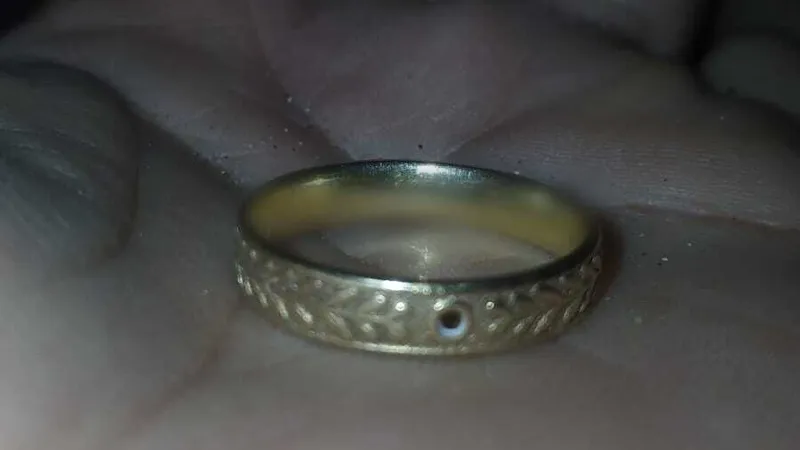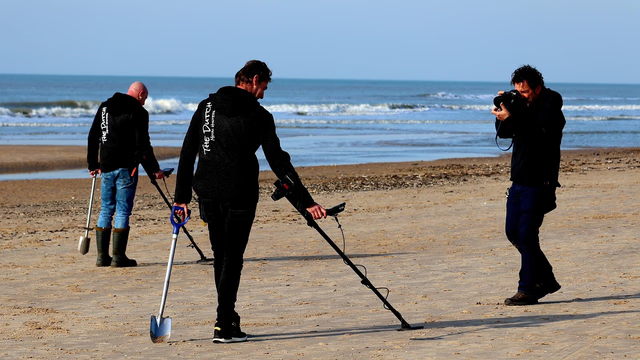
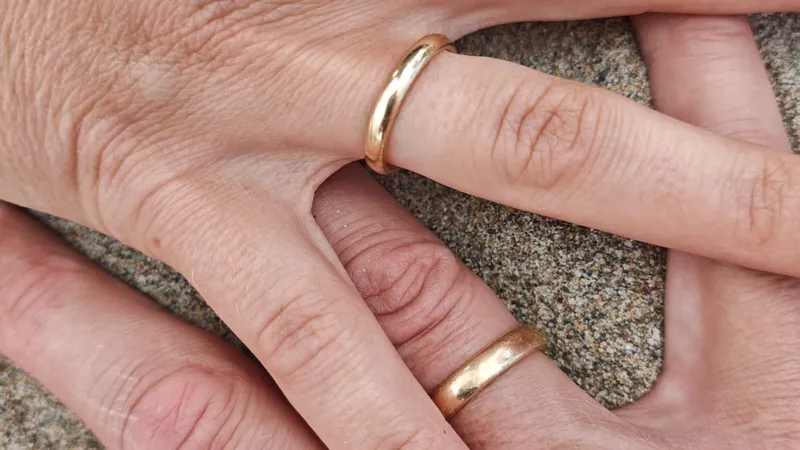
Gold wedding ring found in the sea with a metal detector at Kalamaki, Crete
A handmade gold wedding ring lost in the waves at Kalamaki, Crete. Three days later, the morning before the owner flew home, Georgios found it with a metal detector.
Crete east, Hersonissos, Malia, Agios Nikolaos and Elounda
A ring lost on this coast can often be found if you can put the spot to within a few metres and someone reaches it before the sunbeds go out again and the sand is walked over for days. What decides it is how well you mark the place, and whether it went into dry sand, pebbles or the sea.
Ring Seekers is a lost ring and jewellery recovery service that works with experienced local metal detectorists to search for a ring, wedding band, watch or phone lost on the east Crete coast. That is the stretch from Heraklion and Hersonissos to Malia, Agios Nikolaos and Elounda, and down to Ierapetra. Greece is one of the places we hear from most.
Tell us what happened and where. We choose an experienced detectorist who knows your beach, brief them with your map and photos, and tell you honestly if the odds are poor.
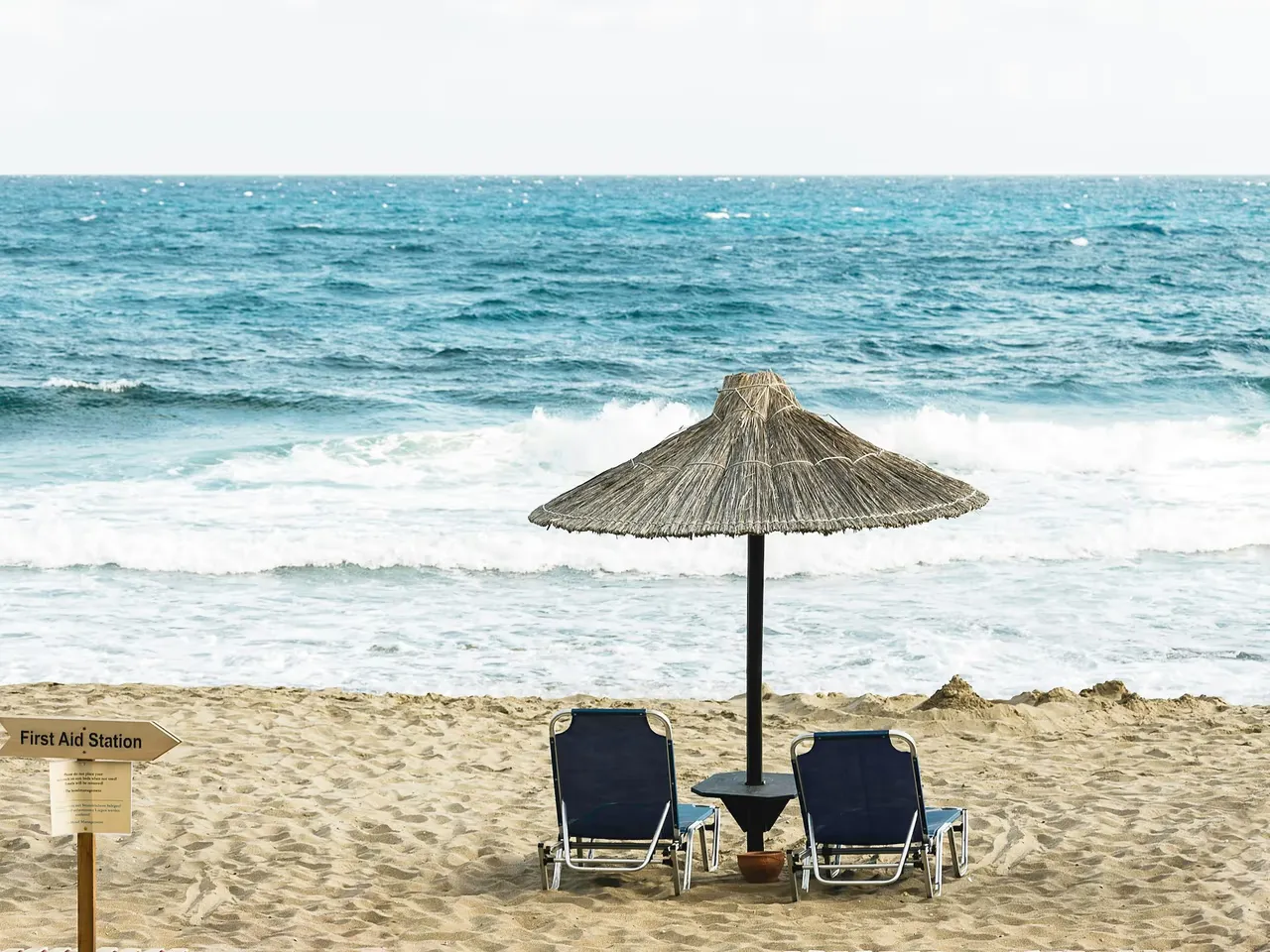
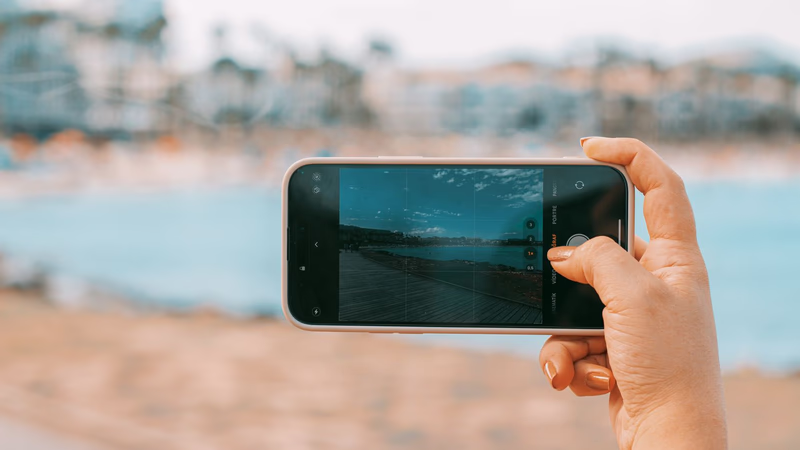
In the first hour, fix the spot. Pick two things that will still be there tomorrow, such as a hotel entrance and a sunbed row at Stalis or a beach bar sign at Karteros, and line yourself up with them. Photograph both directions, drop a pin and note the time and whether you were on sand, pebbles or in the water, all for yourself. Then message us on WhatsApp with the beach, the time and a photo of the item.
We choose an experienced detectorist who knows that part of Crete and brief them with your marked map, the time and your photos. This is a long coast, so give us the name of the beach as well as the resort.
Windy sand by Heraklion, the resort bay from Hersonissos to Malia, sheltered water at Agios Nikolaos and Elounda, pebbles at Plaka and Ierapetra.
Ammoudara is about 5 kilometres of fine brownish sand west of Heraklion, with a rocky strip about 50 metres out and wind enough for a windsurfing school. Karteros, 7 kilometres east of the city, is 3.5 kilometres of fine golden sand with beach bars and the municipal beach of Heraklion, usually choppy in the north wind. A wedding ring lost at a sunbed here is a fair case. One lost windsurfing off Ammoudara is not.
Kato Gouves, 18 kilometres east of Heraklion, is a quieter family resort. Analipsi, 20 kilometres out, has a sandy main beach with water that is not deep and frequent summer waves. Anissaras next door is a long sandy beach. Limenas Hersonissou, at 28 kilometres, has a chain of beaches: the narrow sandy town beach east of the port, the central stretch with its water sports clubs, sandy Drepanos and the Limanakia beaches. Rings come off in the shallows here, Oura rings and watches at the sunbeds.
Stalis, 30 kilometres east of Heraklion, is a long sandy beach with shallow water split in two by a short rocky cape and usually wavy. Malia, at 35 kilometres, is the eastern end of the same 6 kilometre bay, wide, fine sand and shallow, with the sunbeds packed close in season. Past the harbour are the quieter Pirgos and Potamos beaches, and at the east end of Potamos a small stream runs out beside the Malia wetland, reed beds full of birds right up to the sand. Sissi, 41 kilometres from Heraklion, is a quiet village with a small sandy beach in a natural harbour.
Agios Nikolaos sits inside the Mirabello bay, sheltered from the wind. Ammos, beside the marina, is shallow and calm, and Kitroplatia is the central beach by the port. Almyros is the large sandy beach a stone's throw from town, very shallow, with a small river at its right end, a wetland around it and a lifeguard. Elounda, 10 kilometres north, has its main beach at Schisma beside the harbour, sandy and kept calm by the Korfos lagoon, with Chiona (Poros) beyond.
Plaka, 16 kilometres north of Agios Nikolaos, faces Spinalonga, and its main beach is large pebbles with deep, clear water. Istron, 12 kilometres east of Agios Nikolaos, has three bays, of which Voulisma (Golden Beach) is white sand, shallow and usually calm. Ierapetra, on the south coast, has a sandy central beach with shallow water, and Agios Andreas beach to the east. Chrissi island is about 50 minutes away by boat from Ierapetra, with daily trips from mid May to late October. Boats now anchor in the shallows by the beaches instead of at the pier, and Golden Beach (Belegrina) on the north coast is white sand tinted pink by broken shells. Rings slip off in its shallows on day trips.
Explain it once, from the sunbed or after you are home. The same person deals with you until the search is over.
Whoever searches sees your marked map, your photos, the time and a picture of the item before they walk onto the beach.
A phone off a boat in Sissi harbour or an earring between the pebbles at Plaka is a poor bet for a detector. We say so first.
On sand at Malia or Almyros a ring stays close to where it went in, and on the pebbles at Plaka it drops between the stones. That tells the detectorist where to start.
We explain the costs before any search is booked.
What decides a search on this coast.
There is almost no tide in the Mediterranean, a few tens of centimetres at most, so no low water to wait for. A ring lost in the shallows at Malia or Almyros stays close to where it went in unless wind or swell moves it.
From Ammoudara to Malia the north coast is mostly sand, the best ground on the island for a detector, as are Ammos, Almyros, Schisma and Voulisma in the Mirabello bay. Plaka is large pebbles over deep water and Ierapetra is fine black pebbles beyond the town beach. Sunbeds go out again every morning, so a search is planned for first light.
The north coast takes the north wind, and a day of chop at Ammoudara, Karteros or Stalis shifts sand over a watch or Oura ring lost in the shallows. Agios Nikolaos, Elounda and Istron sit in the sheltered Mirabello bay, and Ierapetra is usually flat.
Want a first idea of your chances? Try the lost ring recovery calculator.
Usually, if you can say which sunbeds. Malia beach is wide, fine sand with shallow water, and in season the sunbeds sit almost edge to edge. A ring that slid off on dry sand stays within a metre or two of where it fell until feet and sunbed legs push it deeper. Photograph along the row towards the nearest bar, drop a pin, and say whether you were on the sand or in the water.
Often. An Oura ring and most watches carry enough metal to give a signal, and both beaches are sand with shallow water and almost no tide, so something lost at waist depth normally stays close to where it went in. The problem is the north wind. Stalis is usually wavy, and a day of chop moves sand over a small item, so the sooner someone sweeps the better. Tell us which hotel or bar you were in front of and how far out you were.
Fix the spot. Both are long beaches, so a pin alone is not enough. Line yourself up with a beach bar sign or the municipal beach entrance at Karteros, photograph both directions and note the time. Both are open to the north wind, so a ring lost in the water has a shorter window than one lost on dry sand.
Almyros and Ammos. Almyros is a large sandy beach just outside the town with very shallow water, and Ammos beside the marina is shallow and always calm, so a ring lost in the water at either usually lies where it dropped. At Kitroplatia, the small beach by the port, a ring lost among the old stone slabs on the shore is a search by eye.
At Elounda, a fair chance. The municipal beach at Schisma beside the harbour is sand with water kept calm by the Korfos lagoon, and a bracelet dropped on the sand or in the shallows is a good case. Plaka is different. Its main beach is large pebbles with deep, clear water, and an earring that went between the stones is looked for stone by stone, by eye.
A phone that went over the side of a boat at Sissi is a job for someone in the water, not for a detector on the beach. Around Ierapetra the beaches are mostly fine black pebbles and the sea is usually flat, so metal framed sunglasses or a phone dropped in the shallows stay put and give a clear signal. Plastic sunglasses do not, and are found by eye.
Crete east, Hersonissos, Malia, Agios Nikolaos and Elounda
The sea will not bury it, but the sunbeds are back out at breakfast and once your flight leaves the spot leaves with you. Mark it now, then send us the where and when on WhatsApp.
Looking for a ring finder near you? We choose an experienced local detectorist who knows the area and searches with a metal detector.
Lost it just now? Do this first Who to tell where you lost it
Real searches from this area, each told in full on its own page.
A handmade gold wedding ring lost in the waves at Kalamaki, Crete. Three days later, the morning before the owner flew home, Georgios found it with a metal detector.
A gold wedding ring lost in waist-deep water at Anissaras, Crete. The owner had already flown home. Eleven days later Georgios searched the spot with a metal detector and found it.
From our blog: what to do after losing a ring here, and how a search works.
Lost a ring on a Crete beach? How Malia, Elounda, Chania and Elafonisi differ for a metal detector search, and what to note before you fly home.
Yes, metal detectors work underwater if they are built for salt water. How deep the water can be, and how far into the seabed they can find a ring.
The first message to a ring finder decides how fast a search can start. Here are the five details that shrink a search zone, and why each one matters.
A professional ring search is slower than people expect. Here is how a search grid is set up, and why overlap decides whether a ring is found or missed.