Lost a ring in Tenerife, from Playa del Duque to El Médano
Lost a ring or wedding band on a Tenerife beach? What the pale resort sand, the black sand and the Atlantic tide do to it, and what to do first.
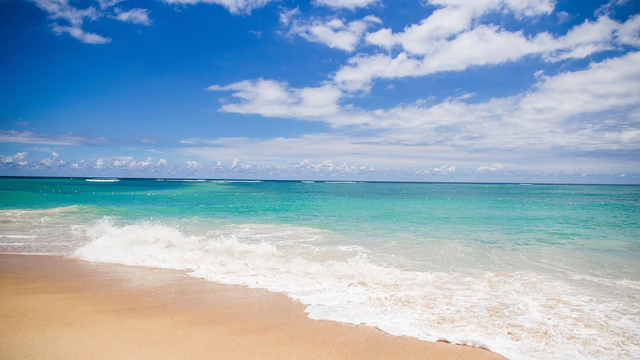
If you have just lost a ring on a beach in Tenerife, stop where you are and look around before you do anything else. Fix the spot in your head, take a photo of it with something solid in the background, and do not dig. A ring that has dropped in the sand or the shallows is nearly always still within a few steps of where it fell. What happens to it after that depends a lot on which Tenerife beach you are on, because the island has two very different kinds of sand and a real ocean tide.
Tenerife is busy all year, and winter is when many people from colder countries come for the sun. They put on sun cream and walk into water that is cooler than it looks. Fingers shrink a little in cool water, and a wedding band that has sat tight for years slides off in the first few minutes. It is a common story and nobody should feel foolish about it.
The pale sand of the southern resorts
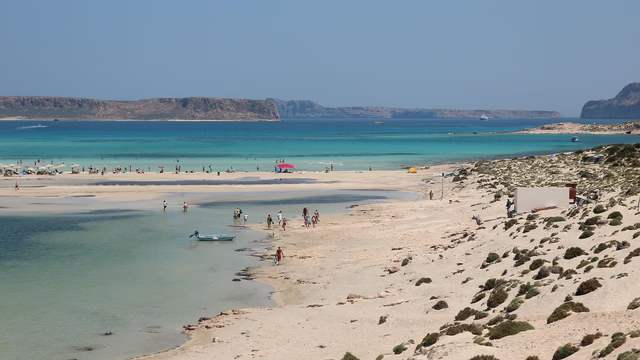
Most visitors stay in the south, between Los Cristianos and Costa Adeje. The beaches there, such as Las Vistas and Playa del Duque, are sheltered by rock breakwaters and many of them have had lighter sand brought in over the years. The water inside the breakwaters is calm for the Atlantic, with small waves and a gentle slope.
That is good news if something goes missing. In calm water a ring drops almost straight down and settles into the top of the sand. It does not get carried along the beach. If you can say “I was about waist deep, in line with the third row of sunbeds”, that is a small area for a metal detector to cover.
The dry sand is a different sort of search. These beaches are busy and full of sunbeds, and a ring that falls from a towel or a bag gets trodden in quickly. It will not go far sideways, but it can be several centimetres down by the evening. The main resort beaches are also cleaned and raked regularly, often early in the day, so a ring lost near the sunbeds is worth acting on before the next morning if you can.
The same holds for Las Teresitas, up near Santa Cruz. Its golden sand was shipped in from the Sahara and it sits behind a long breakwater, so the water is flat and shallow a good way out. Things dropped there tend to stay put.
Black sand and the open coast
Go north or west and the sand turns dark. Playa Jardín in Puerto de la Cruz and Playa de la Arena near Los Gigantes are volcanic black sand, and they face more open water. Two things change.
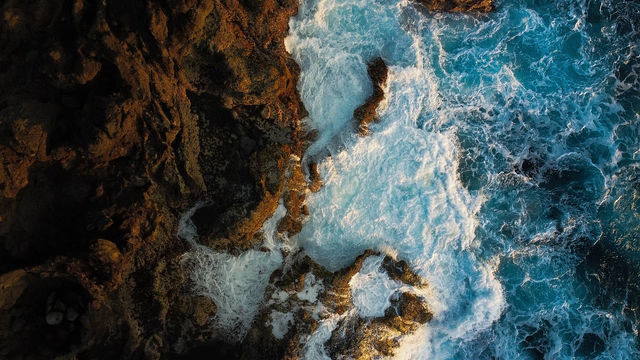
The first is the sea. The north coast takes proper Atlantic swell, and on a rough day the waves move a lot of sand in a few hours. A ring lost in the surf there gets buried faster and deeper than on a sheltered resort beach. It can still be found, but the odds drop sooner, so time matters even more.
The second is the sand itself. Black volcanic sand is full of iron minerals, and a metal detector reacts to them. A basic detector chatters constantly on it and is close to useless. Someone experienced, with a machine made for difficult ground, can search it properly, though more slowly. We wrote about that in more detail in a post on searching black volcanic sand. For you, the point is simple. A friend with a borrowed hobby detector is unlikely to find a ring on a black beach, and their digging can push it deeper.
El Médano and La Tejita, on the south east corner, sit somewhere in between. The sand is natural and brownish, the beaches are long and the wind is strong on most days, which is why the kitesurfers love them. Wind moves dry sand around. A ring dropped near your towel at El Médano can be covered in an afternoon, and the landmarks you remember (a kite on the sand, a windbreak) will be gone tomorrow. Use fixed things for your photo, like the lifeguard tower or the red hill of Montaña Roja behind the beach.
One more honest note. A lot of people lose things on boat trips out of Los Gigantes and Puerto Colón, usually a phone or sunglasses, sometimes a ring while swimming off the back of the boat. If it went over the side in deep water under the cliffs, a search is rarely realistic. If the boat was anchored in a shallow bay and the skipper can tell you where, it may be worth a diver looking. Tell us what you know and we will say plainly what we think.
The tide is bigger than you expect
People who know the Mediterranean are often surprised by the Canaries. The sea here rises and falls by a metre or two, twice a day. On a gently sloping beach that moves the waterline a long way.
This can work for you. A ring lost in knee deep water at high tide may be lying on wet sand, or under a few centimetres of water, when the tide is out. That is by far the easiest time to search. It also means the place you remember will look different six hours later, so write down the time you lost it. With the time and a photo, the height of the tide at that moment can be worked out afterwards and the search can be planned around the next low water.
What to write down while it is fresh:
- The beach name and which end of it you were at
- The time, and whether you were on dry sand, wet sand or in the water
- How deep the water was on you, if you were in the sea
- What the ring is made of and roughly how wide it is
Then check the obvious places properly. Empty the beach bag, shake the towel out over a clear patch, look in your shoes and the pockets of your shorts. Ask at the lifeguard post and the sunbed attendant, because rings do get handed in.
Getting help with a search
Send us the details through the get help form or message us on WhatsApp. To begin with we only need the beach, the day and time, and what you lost. We ask for photos and the precise spot later, once a search is being arranged, and we explain the costs before anything is booked.
We cannot promise that someone can search every beach on the island at short notice. What we can do is look at your case quickly, tell you honestly how good the chances are, and try to find an experienced detectorist who knows that kind of sand. If you are flying home in a day or two, say so in your first message. It changes what is possible, and a search can sometimes go ahead after you have left if your photos and notes are good.
Our Tenerife page goes through the beaches one by one. If you lost something on another island during the same trip, we also have pages for Gran Canaria and for Lanzarote and Fuerteventura.