Lost a ring on Bonaire, from Te Amo Beach to Sorobon
Lost a ring on Bonaire? How Te Amo Beach, the dive sites, Lac Bay and Klein Bonaire differ, what to note before you leave and how a search starts.
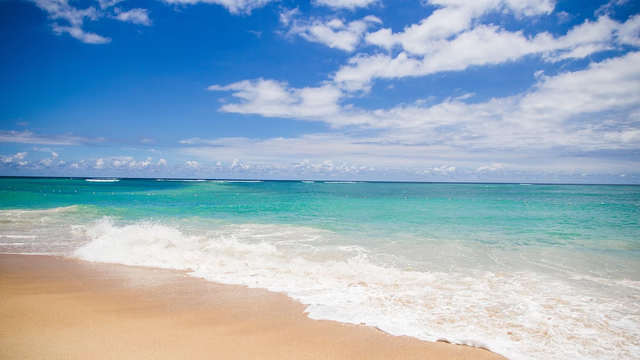
If you have just lost a ring on Bonaire, the most useful thing to know is that a ring dropped in the calm water here usually stays close to where it went in. The sea on the west coast is gentle and the tide moves very little, so a gold band sinks into the sand rather than being carried along the shore. That gives a metal detector something to work with, even days later.
We have seen that on the island already. In November a visitor lost a gold signet ring while standing knee deep in the sea at Te Amo Beach. Two days later our local detectorist took his detector into the same shallow water and found the ring under the sand, and she had it back on her finger before she flew home.
Before you leave the spot, stand still for a moment. Pick something fixed, such as a hut, a tree, a dive marker stone or the end of a jetty, and take a photo from where you think it happened. Take one along the shore each way and drop a pin on your phone. Please do not dig with your hands or kick at the sand. In the shallows that clouds the water and buries a ring deeper, and on coral rubble it pushes it down between the pieces.
Te Amo Beach, Kralendijk and the dive coast
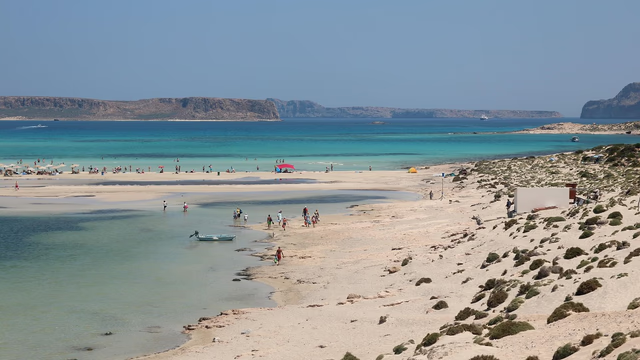
Most of Bonaire’s swimming happens on the west side, between the town and the airport and up the coast past the hotels. Te Amo Beach sits right beside the runway, just south of Kralendijk, and it is one of the few places on that stretch with a proper patch of sand to stand on. Plenty of people go there for a last swim before a flight. If that is you, say so in your first message, along with roughly how deep the water was and which shelter you were nearest.
Bachelor’s Beach and Chachacha Beach are small, and you get into the sea down short steps or over rubble. Playa Lechi, near the hotels north of town, is narrow but easy. On all of them the useful detail is how far out you were standing and what you were level with on the shore.
A lot of the rest of this coast is not really beach at all. Places like 1000 Steps and the Salt Pier are dive and snorkel sites, with a rocky shelf or a staircase down to a strip of coral pebbles. Rings come off here while people pull on fins and gloves, or rinse their hands after a dive. A ring lost on the pebbles at the water’s edge is a fair job for a detector. A ring lost on the reef itself, or at depth on a dive, is a different matter. Nobody should be digging around coral, and if it went in deep water it becomes a job for a diver. We will tell you honestly which one you are looking at.
Dive shops are worth asking too. They see a lot of people come and go from the same entry points, and things do get handed in. The same goes for a dive watch or a dive computer left on a bench or dropped at the entry. Both have plenty of metal in them and show up on a detector. A pair of plastic sunglasses will not, so those are a search by eye or by a diver.
Sorobon and Lac Bay on the east side
The other side of the island is completely different. Lac Bay is a wide, very shallow lagoon behind a reef, and Sorobon on its edge is where everyone learns to windsurf. You can wade a long way out and still stand. That is good news for a lost ring, because a detectorist can work most of it on foot.
The trouble is that it is easy to lose track of where you were. Windsurfers fall in, get up, drift, and fall in again, and a wedding band or an Oura ring can come off on any of those falls while you grip the boom. Tell us which school or bar you set off from, roughly how far out you got and which way the wind was taking you. The trade winds here blow steadily from the east, so most people drift the same way, and that helps.
Further round the bay, at Cai, the water is shallow among the mangroves and the bottom is softer. A ring lost in mud or seagrass is harder to recover than one in clean sand, and we would say so at the start.
Klein Bonaire and the wilder beaches
No Name Beach on Klein Bonaire is reached by water taxi from Kralendijk, and it is a hard place to pin down later because there is nothing to line yourself up against. Note the boat you came on and the time it dropped you off, and take a photo back towards the main island. The view of the town and the hills across the water is a good way to place yourself later.
In the north, in Washington Slagbaai park, beaches like Boka Slagbaai and Playa Funchi are quieter, with rocky edges and small patches of sand. On the windward coast the sea is rough and the shore is mostly ironshore rock, and swimming there is rare. If something went into the surf on that side, it may well be lost, and we would rather tell you that than raise your hopes.
Pink Beach and Atlantis, south of the airport towards the salt pans, are long and open. Use the slave huts, the obelisks or the kite school to mark where you were. Kitesurfers lose rings and watches the same way windsurfers do, during a fall or a hard pull on the bar.
Once you have the basics, get in touch through the get help form or on WhatsApp. Start with the beach and what the item is made of. We will ask for the finer detail privately when a search is being planned, so please keep the exact spot out of public Facebook groups and save it for that chat. We explain the costs before any search is booked.
The Bonaire page goes through the island beach by beach. If something went missing on another island on the same trip, we have pages for Curaçao and Aruba as well. The sooner a search starts, the nearer the surface your ring is likely to be, so if you only have a day or two left on Bonaire, tell us that first.