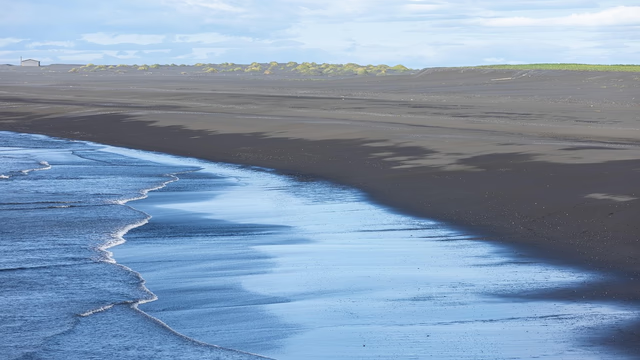
Timing a lost ring search around the tide
For detectorists. How to plan a search for one lost ring around low water, where the ring tends to sit, and why the first tide after the loss matters.
When someone loses a ring on a tidal beach, the tide decides when you can search and roughly where the ring now sits. You can have the best detector on the beach and still lose the job by turning up at the wrong hour. On a beach in the south of Ireland or the English Channel, the right hour usually means the two or three hours either side of low water, and the first one after the loss counts more than any other.
This post is for detectorists who take on searches for a single lost ring, a wedding ring or an Oura ring that came off in the water, and want to plan the visit properly before they get in the car.
Before you go, read the tide and the story together
Get the time of the loss as close as you can. Then look up the tide table for that beach and work out where the water was at that moment. A ring that came off while someone was paddling at low water is a very different search from one lost while swimming near high water. The first is out on the lower beach, often in the same spot it dropped. The second went into deeper water and may have been moved around before the sea pulled back.
Ask the owner what they were doing and how deep the water was. Waist deep on a rising tide means the ring is probably lower down the beach than the place they remember standing, because the beach under them was the lower beach at the time. People nearly always point to where they are standing now, on dry sand, so it is worth walking down with them and asking them to stand where the water came to.
Check how many tides have been and gone since. One tide over a gold band in firm sand often does very little. A ring that drops into soft wet sand tends to sink rather than travel, and it can stay close to where it fell. A week of tides with a swell running is a different story. Heavier rings sink and stay; lighter ones and smart rings can be rolled along in the wash, usually along the beach in the direction of the waves rather than straight out to sea. You will not know which happened, but it tells you how wide to set your search area.
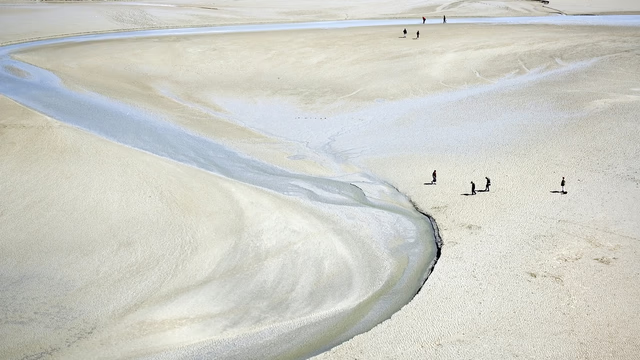
On beaches with a big range, the timing matters even more. Parts of Brittany and Normandy have some of the largest tides in Europe, and the beach that is open at low water on a spring tide can be gone a few hours later. On the Brittany and Normandy coast, and on the long strands around Wexford, plan to arrive on the falling tide and follow the water out, so you have the full window. Arriving at low water itself loses you half of it.
Working the falling tide
Start just above the waterline as it drops and follow it down. Sand that has only just come out of the water is usually the easiest to read. It is firm, the ripples show you how the water moved, and a ring that went in the evening before has had only one tide to settle. Keep your coil low and flat, and overlap each sweep. A thin band can sit at the edge of a coil’s reach in wet salty sand, so a careful ground balance at the start pays off for the whole session.
Watch the beach for low spots. Gullies, dips and the soft patches where water drains off the beach are where heavy things collect. If the owner’s story points to the lower beach, these are often the first places worth gridding. Do not leave the obvious places out either. If they say they took the ring off and put it on a towel, the answer may be in the dry sand near the top of the beach, and no tide timing will help with that.
Be honest with yourself about the water. Wading out with a scoop on a falling tide is safe on a calm, gently shelving beach and dangerous on a steep one with a swell running. On the Dorset and Hampshire coast the tides around Poole and the Solent have an unusual double high water, so check a local table rather than assuming the usual pattern. Elsewhere the flood can come in faster than you expect across flat sand. Know the time of low water, know when it turns, and leave yourself a way back.
Talk to the owner while you search, even if only by message. They will be anxious, and the tide can make the search look odd from the outside, with you working an empty stretch of sand far from where they remember standing. A short note explaining why you are working the lower beach first saves a lot of worry.
Beaches where the tide barely moves
On the Mediterranean the tide is small enough to ignore on most days. Around Mallorca or on the Costa Brava, the things that move a lost ring are wind, swell and the number of people walking over it, and the useful window is often early morning before the beach fills up, or a calm evening after the sunbeds have been stacked. A storm can shift sand along a whole bay in one night, so a ring that was shallow on Monday can be under deeper sand by Wednesday.
The principle is the same either way. Find out when and where the ring went in, work out what the water has done to that spot since, and pick the hour when you can search it properly. That is most of the job before you even switch on.
Ring Seekers arranges ring searches on tidal beaches and calm ones alike. When someone sends their details through our get help form, we look for an experienced detectorist who knows how that beach and its tides behave. If you already search tidal beaches with a detector and you would like to help people get back rings they have lost, we would be glad to hear from you through our page for detectorists.