Searching between rocks for a lost ring (for detectorists)
For detectorists. How to search rock ledges, boulders and gullies for one lost ring, where it settles, and how to use a pinpointer in tight gaps.
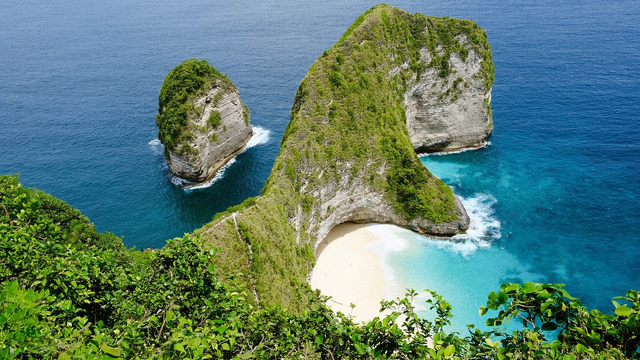
Sand is forgiving. On sand you get a signal and you dig. Rocks are different. The ring is often a hand’s width from you and you still cannot get the coil near it, because it has dropped into a crack or slid under a boulder at the bottom of a gully full of seaweed.
This post is for detectorists who already work beaches and get asked to look for a ring lost off a rock ledge or on a boulder shore. A lot of Mediterranean swimming happens off rocks rather than sand, so these calls come up more than you might expect.
Where a ring goes on rocks
A ring lost on rocks almost always ends up at the lowest point it can reach. Gold is heavy and small, so it rolls or drops until something stops it. On a dry ledge that is usually the nearest crack. In the water it is the floor of the gully below, or the pocket of sand and gravel that collects between two boulders.
That is useful, because it shrinks the search. Before you switch on, stand where the owner says they were and look downhill. Follow the slope of the rock with your eye and picture where a dropped coin would end up, or where the water drains when a wave pulls back. Those spots are your search area, and they are often much smaller than the patch of rock the owner pointed at.
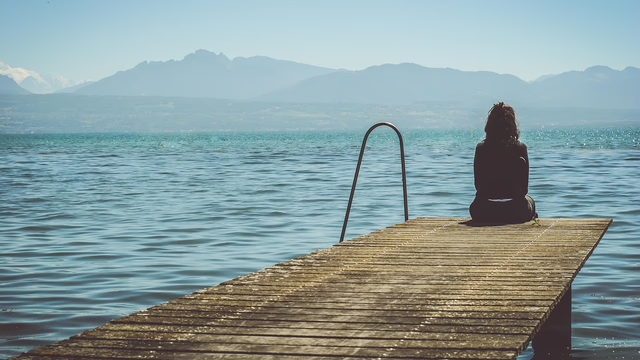
Swimmers mostly lose rings at the moment they get in or out. Hands are wet and cold, they grab the rock or a ladder rail, and the ring slips off. On the flat limestone shelves around Sliema and St Julian’s, people climb down into deep water straight off the edge, so a ring lost there often falls well clear of the rock and lands on the bottom below. Ask the owner whether they were sitting, climbing or already swimming. The answer tells you whether to look in the cracks of the ledge or in the water beside it.
Waves matter too. On a sheltered day a ring in a gully can stay put for weeks. After a storm it may be pushed into the back of the gully or buried under new gravel. A recent loss in calm weather is the best case you will get on rocks, so it is worth getting there quickly.
Coils, pinpointers and hot rocks
Your full size coil is the wrong tool for most of this. It will not fit into a crack, and it cannot get close to a ring wedged under a boulder. Carry the smallest coil you own and a waterproof pinpointer. On rocks the pinpointer does most of the real work, and the main detector is there to tell you which gap to look in.
Sweep the main coil slowly over the surface first. You will get a broad signal where something is in the rock below, but you will not be able to see it. Then switch to the pinpointer and work it into each crack by hand, a few centimetres at a time. Go slowly. A thin wedding band sitting on its edge in a narrow crack gives only a faint response, and it is easy to pass over.
The rock itself can fight you. Some coastal rock carries iron, and those stones give a signal of their own as the coil passes. Detectorists call them hot rocks. Ground balance carefully on the rock you are searching, not on the sand nearby, and learn what a hot rock sounds like on your machine before you start chasing signals. A real target usually stays in one spot when you sweep from a different angle. A hot rock often moves or fades.
Seaweed and sea grass hide a lot in the gullies. Part it by hand rather than pulling it up, and run the pinpointer underneath. If the gap is deeper than your arm, a long handled scoop or a mask and snorkel will usually get you further than trying to force the coil in.
Moving stones and staying safe
Sometimes the signal is under a stone you can lift. Lift it, check underneath, and put it back where it was. Leave large boulders alone. Shifting a heavy rock in moving water can trap a hand or a foot, and it can also bury the ring deeper than it was. If the ring sits under something you cannot move safely, tell the owner honestly. Some rings on rocks are out of reach, and saying so early is better than a long afternoon that ends the same way.
Wet rock is slippery, especially where weed grows near the waterline. Wear shoes with a real grip, and gloves for the cracks, because sea urchins like the same gaps that rings fall into. Watch the water before you climb down. A small swell that looks harmless from the top can push you hard against the rock once you are in it. On the rocky platforms and small islets around Ksamil, the water is often calm and very clear, which makes it one of the easier rocky searches, but even there the afternoon wind can change things.
Clear water helps more than any setting on the detector. Put your mask on and look before you sweep. On rocky ledges like the ones beside Cala Comte in Ibiza, a ring lying in a sandy pocket a metre or two down can sometimes be spotted by eye, and the detector only confirms what you can already see. In cloudier water you are back to working by feel and signal.
Get the details from the owner before you go. Which rock, which side of it, whether they were in or out of the water, and roughly when. A photo taken that day with the rocks in the background is worth a lot, because one boulder looks much like the next once you are standing on them. When people send us a lost ring through our get help form, we ask for exactly this and pass it on, so the detectorist starts with a small area instead of a whole stretch of coast.
Rock searches are slow and fiddly, and they suit people who like a puzzle. If you already work rocky shores and would like to help people get back rings and other jewellery, we would be glad to hear from you through our page for detectorists.