
Searching a lawn for a lost ring without damaging it
For detectorists. How to search a garden lawn for one lost ring, cut clean plugs the owner will never notice, and work around nails and fences.
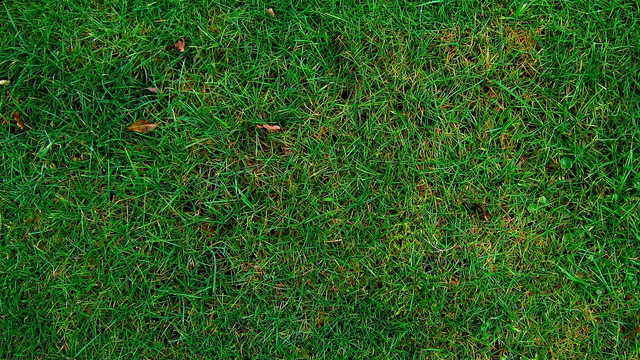
A garden search for a lost ring is a different kind of job from the beach. The ring has almost certainly not gone anywhere, which is the good part. The hard part is that you are working on someone’s lawn, often one they care about a great deal, and they will be watching every hole you dig. If you leave it looking like moles have been through, you have done them a poor turn even if the ring comes back.
Most of the garden enquiries we get come from the UK and Ireland. A wedding ring comes off while someone is pulling weeds, or an engagement ring slips while a child is being swung round on the grass. Earrings go missing in the lawn too, and so do car keys dropped while unloading shopping. This post is for detectorists who want to take those searches on and leave the garden as they found it.
Before you switch on
Talk to the owner first and get the story in detail. Ask where they were standing, which hand the ring was on, and whether they were wearing gloves and shook them out afterwards. A ring that came off inside a gardening glove often turns up where the gloves were dropped or emptied, which can be a long way from where the weeding happened. Ask whether anyone has mown the lawn since. A mower can throw a ring several metres, usually out of the side chute, so walk the line it would have taken.
Have a look at the edges of the lawn before you start. Metal fence posts, drainpipes, garden furniture and buried cables all give strong signals, and the edges are exactly where rings tend to be lost. Ask the owner if they know of any pipes or cables under the grass, and keep your plugs shallow near anything you are unsure about. Most lost rings in a lawn sit in the top few centimetres, caught in the thatch or just under the roots, so there is rarely a reason to go deep.
Ground balance properly. Garden soil in a lot of British and Irish homes has clay and coal ash mixed through it, and it can be much noisier than beach sand. Run low discrimination in the search area. A thin gold band reads close to foil and ring pulls, and in a garden you will hear plenty of both, but skipping them is how a ring gets missed.
Cutting a plug the owner will never notice
The difference between a good garden search and a bad one is mostly in the digging. Once you have pinpointed a target, use a pinpointer to check whether it is in the grass itself before you cut anything. A surprising number of rings are sitting in the thatch at the base of the blades, and you can part the grass with your fingers and lift them out without touching the soil.
If you do need to dig, cut a three sided flap with a sharp, narrow trowel or a lawn knife, roughly the size of your palm, and leave one side attached as a hinge. Fold it back gently so the roots stay together. Check the underside of the flap with the pinpointer first, because the target is often caught in the roots. Then check the hole. If you need to take soil out, put it on a small cloth or a bit of plastic sheet beside the hole so none of it is lost in the grass, and check that pile with the coil before it goes back.
When you are done, put the soil back, fold the flap down and press it firmly with your foot. A splash of water from a watering can helps on a dry day. Done well, a lawn plug is hard to find even an hour later. Rough round holes dug with a spade are the opposite, and they turn brown in a week.
Avoid digging in flower beds unless the owner is happy for you to. A lot of rings go missing in borders while people are planting or weeding, and you will need to search there, but plants have roots you can damage and owners have favourites. Ask before you put a trowel in.
Working slowly around nails and fences
Gardens are full of iron. Old nails, staples, screws and bits of wire are everywhere in older properties, and a ring lying next to a nail can be masked by it. The detector hears the iron and the ring beside it goes quiet. On a beach that hardly matters. On a lawn behind a Victorian terrace it can cost you the ring.
The answer is to slow down and cross the area from more than one direction. Sweep the coil in lines one way, then again at a right angle. A ring masked from one angle will often come through clearly from another. A smaller coil helps a great deal around fences and along borders, and it separates targets that sit close together. If you only have a large coil, keep it low and steady and accept that the edges will take longer.
Mark where you have been. A few golf tees or garden canes at the corners of each strip will stop you missing ground or covering the same patch twice. Lawns all look alike once you have been on one for an hour, and it is easy to lose track.
Be honest with the owner about what the search covered. If you swept the whole area carefully from two directions and dug every likely signal, a blank search tells them something useful. It may mean the ring is somewhere else, in the house or in the bin with the garden waste. Say that plainly. People would rather know than keep hoping on the wrong patch of grass.
Gardens around London and the Home Counties are some of the trickiest, because so many of the houses are old and the soil is full of building rubbish. Rural gardens in Wexford and around the Dublin coast tend to be quieter, though farm ground can carry plenty of old iron of its own.
When someone sends us their details through the get help form, Ring Seekers looks for an experienced detectorist who is used to that kind of ground and can get to the garden. If you already search gardens and lawns with a detector, you are careful with other people’s property, and you would like to help people get back rings they have lost, we would be glad to hear from you through our page for detectorists.