Lost a ring in Malta or Gozo, from Golden Bay to Sliema
Lost a ring in Malta? How the sandy bays in the north, the flat rocks at Sliema and the coves on Gozo change where a ring ends up and how a search works.
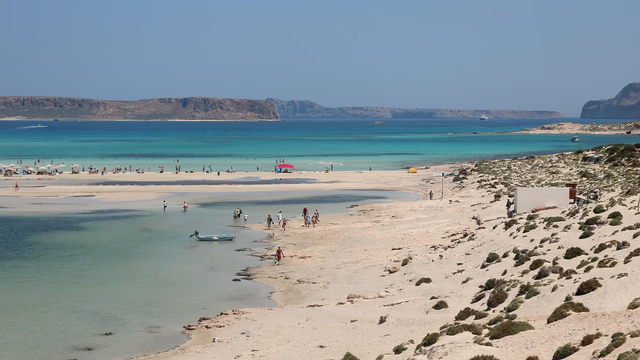
Malta is a small place to lose a ring, but the coast changes a lot in a short distance. The north of the island has proper sandy beaches at Golden Bay, Għajn Tuffieħa and Mellieħa. Around Sliema and St Julian’s most people swim off flat limestone rocks and lidos, with hardly any sand at all. Gozo and Comino add red sand at Ramla, pebbles at Xlendi and the shallow water of the Blue Lagoon. Where you were when the ring came off tells us more than anything else.
If you are still there, stand still for a moment. Find something that will not move, such as a kiosk, a ladder into the sea or a bench on the promenade, and take a photo from the spot where you think it happened. Then take one looking each way along the shore. Please do not start digging with your hands or feet. In dry sand it pushes a ring down, and on the rocks you can knock it further into a crack.
The sandy bays in the north
Golden Bay, Għajn Tuffieħa and Għadira at Mellieħa are the beaches most visitors mean when they say they lost a ring on a Maltese beach. The sand is soft and golden, and on a summer afternoon it is covered in sunbeds and umbrellas.
Rings lost on the dry sand here usually come off at the sunbed. Someone puts on sun cream, takes a ring off and puts it on a towel, and later the towel gets shaken out. An Oura ring or a pair of earrings goes the same way. These are often close to where you were lying, but soft dry sand swallows small things quickly once people walk over them. If the beach had a numbered sunbed, write the number down, and ask the people who run the sunbeds, because they are there early every morning.
The Mediterranean around Malta has almost no tide, which changes things compared with a beach in Britain or Ireland. There is no wide stretch of wet sand left behind twice a day. The water’s edge stays more or less where it is, so a ring lost while swimming is usually still under the water, a short way out, in sand that the small waves keep moving. A gold ring is heavy and does not travel far, but it does sink. Tell us how deep the water was when you noticed, whether you were standing at waist height or swimming out of your depth.
Paradise Bay and the smaller coves on the Marfa ridge are steeper, with coarser sand and some rock. A ring that goes in there can roll down the slope into deeper water, so the search may need someone who can work the shallows properly with a scoop or a diver.
Rocks and lidos around Sliema and St Julian’s
This is the part of Malta that surprises people. Along the Sliema front, and round to Balluta and Spinola Bay, the sea meets flat shelves of limestone. People lie on the rock, climb down metal ladders into the water and sit at lidos built on the stone. St George’s Bay in St Julian’s has a small sandy beach, but it is the exception on this stretch.
A ring lost on the rocks does not sink into sand. It falls into a crack, a hollow or a rock pool, or it slips off the edge into the water just below. That is good and bad. A ring in a pocket of the rock can sit there for a long time, because nothing buries it. But it can also be wedged out of reach, or dropped into water a few metres deep right beside the shelf. If you lost it climbing down a ladder, or diving off the edge, say so, and say which ladder or which part of the rock if you can. A photo of the exact place is worth more here than anywhere else on the island.
On the Sliema promontory it also helps to know which way you were facing. One side looks across the water to Valletta, the other faces the open sea, and they are different shores with different water. The same goes for phones and sunglasses dropped off the promenade or off a boat in the harbour. A phone is metal and a detector will find it. Plastic sunglasses will not show up, so those need a search by eye or a diver.
Valletta’s harbour sides and the creeks at Kalkara and Birgu are mostly quays and boats. A ring dropped off a quay wall is a job for a diver in most cases, and we would tell you that at the start.
Gozo, Comino and getting a search started
Ramla on Gozo is the island’s best known sandy beach, with reddish orange sand that is easy to search with a detector. San Blas below Nadur is similar but smaller and harder to reach. Xlendi and Marsalforn are more about rocks, swimming ladders and harbour walls, so they work more like Sliema. The Blue Lagoon on Comino is very shallow, clear and crowded, and a lot of people arrive by boat. If you lost something there, tell us whether it happened in the water, on the rocks above it or getting on and off a boat, because those are separate searches.
When you get in touch, send the beach or bay, the day and time, whether you were sitting or swimming, how deep the water was and what the ring is made of. A photo of the ring, or one like it, helps a lot. You can send that through the get help form or on WhatsApp. Please do not post the exact spot in public groups. We ask for it, and for your photo of the spot, later in a private chat once you decide to go ahead.
We have worked with a local detectorist in Malta before, and we explain the costs before any search is booked. Our Malta north page covers Golden Bay, Mellieħa and St Paul’s Bay. The Sliema, St Julian’s and Valletta page covers the rocks, lidos and harbour. If your day ended on the other island, the Gozo and Comino page has Ramla, Xlendi, Marsalforn and the Blue Lagoon.
We will also be straight with you about the odds. A ring dropped next to a sunbed at Golden Bay is a very different job from a wedding band that slipped off while diving into deep water at Sliema. If a diver is the better choice, we will say so before anyone goes out.
Busy beaches in Malta are walked over and raked all summer, and the small waves keep working the sand in the shallows. The sooner the search starts, the closer to the surface your ring is likely to be. If you are flying home in a day or two, tell us that in your first message, while the place is still clear in your mind. Ring Seekers arranges searches for lost rings on Malta, Gozo and Comino, carried out by experienced metal detectorists and, in deeper water, a diver.