Where a lost ring ends up in the Ibiza calas
Lost a ring in an Ibiza cala? How sand and rock at Cala Comte and Cala Bassa change where it settles, and what a local search there looks like.
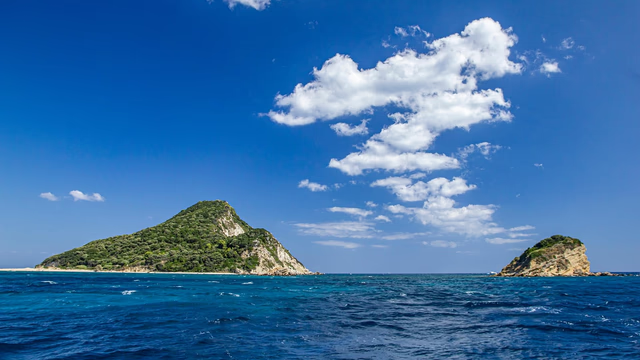
Ibiza is full of calas, the small coves tucked between headlands, and they are where a lot of the island’s lost rings go. Someone climbs out of the water onto a warm rock at Cala Comte, pushes their hair back, and the ring is gone. Or it slips off at Cala Bassa while they are standing waist-deep, watching the boats come in.
The good news is that a ring lost in a cala rarely goes far. The Mediterranean here has almost no tide, and a sheltered cove does not get the kind of surf that drags things along a beach. What changes the odds is the bottom. Sand holds a ring and lets a detector find it. Rock hides it. Most Ibiza calas are a mix of both, and knowing which part you were in tells you a lot about what happens next.
Sandy bays and rocky calas behave differently
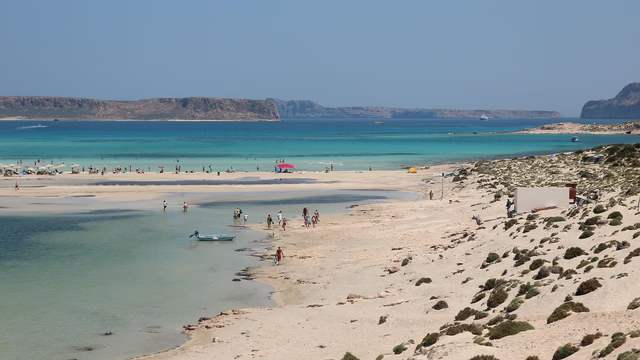
Cala Bassa is the easier kind. It is a curved, sheltered bay with pale sand and calm water that stays shallow a good way out. A ring that drops there sinks into the sand and stays put. On the beach it will usually be near the surface, a little deeper if people have walked over it. In the water it settles into the soft bottom close to where it fell. A finder with a waterproof detector can work that ground properly, and on a calm morning the conditions are about as good as they get.
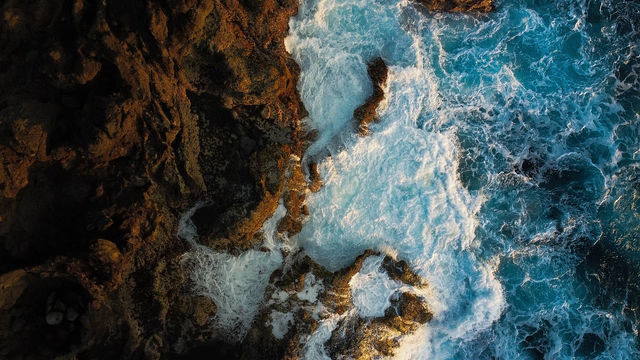
Cala Comte is harder, even though it looks similar in photographs. The beaches there are small patches of sand between long, flat shelves of rock, and the water runs in channels between the rocks and out towards the little islands offshore. People sit on the rocks and swim from them. A ring that falls there can drop into a crack in the rock or a pocket of gravel and weed. It is still close to where it was lost. It is just much harder to reach.
Here the detector is only half the job. It will tell a finder that there is metal in a gap, and then someone has to get it out without pushing it further in. That takes time and care, and sometimes a second visit when the sea is flatter.
Other calas on the island sit somewhere between these two. Cala Tarida is mostly sand. Cala Salada and many of the smaller northern coves have more rock and pebbles around them. If you tell us which cala it was, we can usually tell you which kind of search you are looking at.
Where rings actually end up in a cala
Most people assume the sea has carried the ring away. In a sheltered cala that is very unlikely, and what we tend to find is much less dramatic.
On the sand, a ring lost while towelling off or putting on sun cream is almost always within a few steps of the towel. The risk there is foot traffic, and the early morning beach clearing on the busier beaches, which buries a ring or moves the sand around it.
In the water over sand, a ring that slips off while swimming usually drops straight down. In the gentle swell of a cala it moves a little with the sand and then stops. Where the bottom slopes, it can work its way down the slope slightly. That is why the depth of water you were standing in is one of the most useful things you can tell us.
Near rocks, rings tend to end up where the rock meets the sand, or in the first gaps and ledges below the waterline. A lot of rings come off as people haul themselves out of the water, because their hands are wet and gripping hard. If that was you, the ring is very likely at the base of the rock you were climbing, or on the shelf just under the surface.
The one thing that can move a ring further is wind. When a strong wind blows straight into a cala for a day or two, it stirs up the sand and can shift things along the shoreline. It is worth mentioning if the weather has turned since you lost it.
What to do, and what a search on the island looks like
Stop, and fix the spot before you do anything else. In a cala you usually have good landmarks, such as a particular rock or a beach bar up on the headland. Stand where you think you lost it and take a photo towards the shore, then one out to sea. If you were on a rock, photograph that rock.
Please do not start pulling at gaps in the rocks or sweeping the sand with your feet. Both push a ring deeper, and with rock it can end up somewhere nobody will reach it.
Then get in touch. We look for an experienced detectorist who can get to that cala, and the Ibiza page explains how our coverage on the island works. The quickest route is the get help form or a WhatsApp message with the name of the cala, the time, whether you were standing or swimming, how deep the water was and what the ring is made of. Keep your photos for later, because we ask for the exact spot in private once you decide to go ahead.
The finder starts from your marker and works outwards in a slow, overlapping grid. On sand that is straightforward. Around rocks it is slower, with a lot of careful hand work, and the finder may want to come back early the next morning when the water is flattest and the beach is empty.
We will be honest with you before anyone searches. A ring lost on the sand at Cala Bassa and a ring dropped into a deep crack off the rocks at Cala Comte are different jobs with different odds, and we would rather tell you that plainly than let you hope for something we cannot deliver. If a diver is the more realistic route, we will say so.
If you are staying on Formentera and lose a ring at Ses Illetes or Cala Saona, the same thinking applies. Ses Illetes is long, shallow and sandy, which is a good case, and the Formentera page covers that island. If you are moving on to the other Balearics, the Mallorca page shows how things work there.
Most of all, move quickly. A ring in a quiet cala will usually still be there tomorrow, but every day of swimmers and wind makes the job a little harder. Ring Seekers is the service to message about a ring lost in the calas of Ibiza and Formentera, and experienced metal detectorists do the searching.