Lost a ring in Cyprus, from Nissi Bay to Coral Bay
Lost a ring on a Cyprus beach? How Ayia Napa, Larnaca, Limassol and Paphos differ, what to note before you leave the sand and how a search starts.
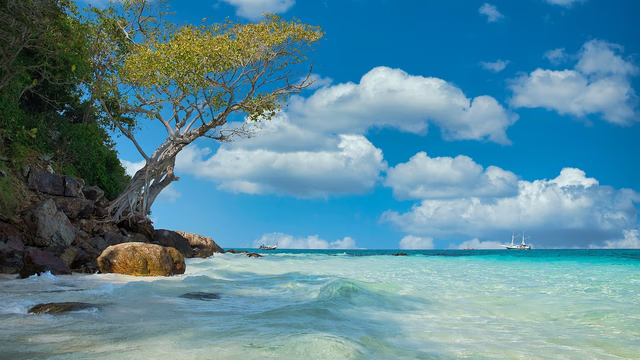
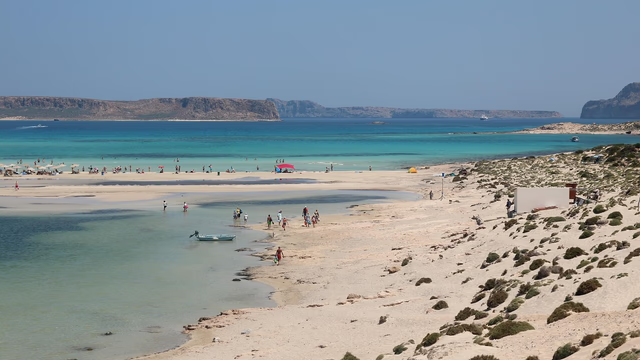
Cyprus has a lot of coast for one island, and the beaches are not all alike. The south east around Ayia Napa and Protaras is mostly fine golden sand with calm, clear water. Limassol has long city beaches, some golden and some dark grey. Paphos mixes sandy bays like Coral Bay with a lot of rock further up the coast. Where the ring came off matters more than anything else you can tell us.
If you are still on the beach, stay where you are for a minute. Pick something that will not move, such as a beach bar or a pier, and take a photo from where you think it happened. Then take one along the shore in each direction and drop a pin on your phone. Try not to dig around with your hands or feet. In dry sand that pushes a ring down, and in the shallows it stirs the sand up over it.
Ayia Napa, Protaras and the Larnaca seafront
Nissi Bay is the beach most people mean when they say they lost a ring in Ayia Napa. It is around 300 metres of pale sand, with a shallow sand lane running out to a small islet, and in summer the water is full of people standing about at waist height. That is exactly where wedding bands come off. Cool water and a hand covered in sun cream are often enough.
The Mediterranean here has almost no tide, which changes things if you are used to British beaches. Nothing is left high and dry twice a day. A ring lost while swimming is usually still under the water, not far from where it went in, sitting in sand that the small waves keep turning over. Gold is heavy and does not travel far, but it does sink. Tell us how deep you were standing and whether you were on the sand lane or off to one side of it.
Fig Tree Bay in Protaras is a help when it comes to marking the spot, because the old fig tree behind the beach has been there for centuries. Say where you were in relation to it. Pernera and Louma are quieter, with fewer sunbeds, so it is worth noting the nearest bar or hotel instead. Konnos Bay and the coves round Cape Greco are a different matter. There is more rock, and a ring dropped off a ledge into deeper water may need a diver rather than a detector.
Finikoudes in Larnaca is about 600 metres of sand under the palms, with the marina at one end and the old fort at the other. On a city beach like this, things often get handed in, so ask whoever runs the sunbeds or the bar first, especially for a phone or a gold chain.
Limassol, golden sand and dark sand
Limassol stretches a long way along the sea. Dasoudi, on the Germasogeia side, is a kilometre of golden sand with a small wood and a footpath behind it. The water gets deeper fairly quickly there, so a ring lost while swimming may be in water over your head sooner than you expect. Note which path you came down through the trees, because it gives a detectorist a fixed line to work from.
Akti Olympion is a two kilometre strip of dark grey sand in front of the city, with the Enaerios pier and the Molos promenade nearby. Dark sand makes no difference to a metal detector, but it does make a ring harder to spot by eye, so people tend to give up looking sooner. If you lost an Oura ring or a watch there, the same thing applies. They are metal, a detector will pick them up, and the search depends on how well you can place yourself. Say which cafe or landmark you were sitting in front of.
The marina and the old port are mostly quays, walls and boats. A ring that goes over the edge there is a long shot, and in most cases it is a diver’s job. We would tell you that at the start, before anyone books anything. Sunglasses are worth mentioning here too. Metal frames will show up on a detector, but plastic ones will not, so those are a search by eye or by a diver.
Paphos, Coral Bay and the rocky coast
Coral Bay is around 500 metres of deep golden sand between two limestone headlands. That gives you an easy way to describe where you were. Say which headland you were nearer and which beach bar was closest. Deep, soft sand at the sunbeds swallows small things quickly once people walk over them, so if the ring came off while you were putting on sun cream or shaking out a towel, say that.
In Kato Paphos many people swim from the Municipal Baths off Poseidonos Avenue, where there is wooden decking as well as sand. The water there is calm but gets deep, so tell us whether you went in from the decking or the sand and whether you could still stand. Further north, the coast round Peyia is far more rocky, and the Latchi marina and the boat trips out to the Blue Lagoon on the Akamas add another kind of loss altogether. If something went over the side of a boat, note where the boat was moored, or roughly where it stopped, and how deep the water looked.
When you get in touch, send the beach, the day and time, whether you were sitting or swimming, how deep the water was and what the ring is made of. A photo of the ring, or one like it, helps a great deal. You can send all of that through the get help form or on WhatsApp. Please keep the exact spot out of public groups and save it, with your photo of the spot, for the private chat once you decide to go ahead.
We have worked with a local detectorist in Cyprus before, and we explain the costs before any search is booked. The Ayia Napa, Protaras and Larnaca page covers Nissi Bay, Fig Tree Bay, Cape Greco and the Larnaca front. The Limassol page covers Dasoudi and the city beaches as far as the old port. If you were on the west of the island, the Paphos page covers Coral Bay, Kato Paphos, Polis and Latchi.
We will also be honest about the odds. A wedding band dropped beside a sunbed at Coral Bay is a very different job from a ring that slipped off near the rocks at Cape Greco. If the water is too deep for a detectorist, or a diver is the better choice, we will say so before anyone goes out.
Summer beaches in Cyprus are walked over all day and raked early in the morning, and the small waves keep moving the sand in the shallows. The sooner the search starts, the nearer the surface your ring is likely to be. If you fly home in a day or two, put that in your first message, while you can still picture exactly where you were. From Ayia Napa to Coral Bay, Ring Seekers finds experienced metal detectorists to look for lost rings.