Losing a ring on Curaçao, from Mambo Beach to Playa Kenepa
Lost a ring on Curaçao? How the calm water and coral sand at Mambo Beach and Playa Kenepa affect where it settles, and what to do next.
Curaçao is a small island with a lot of small beaches, and most of the ones people swim from are on the calm south and west coast. Rings get lost there in the usual ways. A hand goes into the water at Mambo Beach to rinse off sand. Someone takes a ring off to put on sun cream at a beach club in Jan Thiel and it drops into the sand beside the lounger. A snorkeller at Playa Kenepa comes back to shore with one ring fewer than they went in with.
The honest starting point is that Curaçao is a good place to lose a ring, if there is such a thing. The tide around the island rises and falls very little, and the western coast sits in the shelter of the trade winds, so the water in most swimming bays is calm for much of the year. A ring that drops there tends to stay close to where it fell. What decides how easy it is to get back is the ground underneath, and on Curaçao that changes a lot from one bay to the next.
Beach clubs, coves and the reef edge
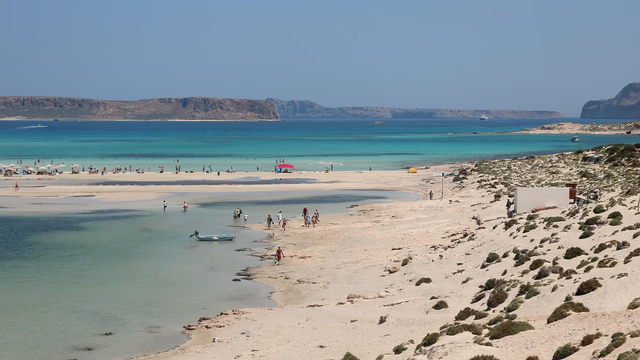
The beaches around Willemstad are the busiest. Mambo Beach, next to the Seaquarium, and Jan Thiel a little further east are mostly beach clubs, with rows of sunbeds, bars and a lot of people. The sand is soft and deep, and on the managed stretches it is often tidied or raked early in the morning. A ring lost on the dry sand there is usually within a few steps of the lounger, but it will not stay near the surface for long. Everyone who walks past pushes it down a little, and the morning raking can bury it or drag it along with the top layer. The water in front of these beaches is shallow and sheltered, which makes a ring lost in the water a reasonable job for a finder with a waterproof detector.
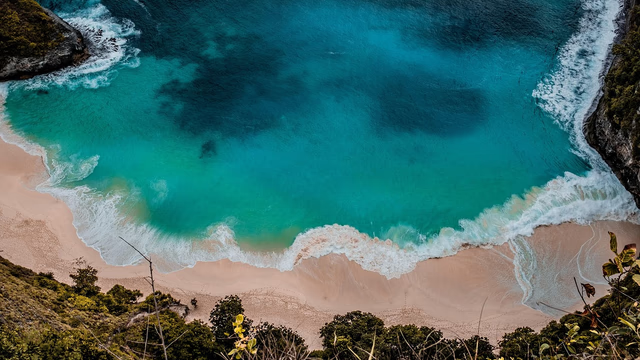
The western coves are a different kind of beach. Playa Porto Mari, Cas Abao, Playa Kenepa and the small bays towards Westpunt are cut into the limestone coast, with a strip of sand at the back and rocks on either side. The sand is coarser and often mixed with broken coral. That coral rubble matters. It is heavier and rougher than fine sand, and a ring that lands in it can slip down between the pieces instead of lying on top. On the beach itself these coves are fairly straightforward. In the water they are a patchwork of sand, rubble and rock, and a finder has to work around all of it.
Then there is the reef. Along much of the west coast it starts close to shore, and plenty of rings are lost while snorkelling rather than swimming. A ring that comes off over the shallow sand before the reef is findable. A ring that comes off over live coral, or out past the point where the bottom drops away into deep blue water, is a very different matter. Coral is protected and nobody should be digging into it, and a ring that falls down the drop-off is beyond what a detectorist on foot can reach. In those cases a diver is the realistic option, and sometimes the honest answer is that the odds are low. We would rather tell you that at the start.
Where rings tend to end up
On the sand at a beach club, the ring is almost always near where you were sitting. People often notice the loss an hour later, when they reach for the ring and it is not there, and assume it could be anywhere by now. Usually it came off when your hands were slippery with sun cream or when you pulled a towel out of a bag, and that happened at the lounger. If you can, note which sunbed it was and take a photo of it.
In the shallows, a ring that slips off in calm water drops almost straight down and settles into the sand. Warm water does not shrink fingers the way cold water does, so most losses here come from sun cream or a ring that was always a little loose. The depth of water you were standing in is one of the most useful things you can tell us, because it narrows the search to a band along the beach.
Where people climb in and out of the water off the rocks at the side of a bay, rings tend to come off with the effort of pulling yourself up. A ring lost that way is usually at the foot of the rock, in the gaps between stones or in the sand just below.
What moves a ring on Curaçao is a change in the weather. The island is south of where most Caribbean storms pass, but when the weather does turn, the normally flat western bays can get waves that stir the sand and shift what is in it. If the sea has picked up since you lost the ring, please mention it.
What to do, and how a search works on the island
Stop, and mark the spot before anything else. On a beach club stretch that means the sunbed and a photo along the beach in each direction. In a cove, pick a fixed point such as a rock or the steps down to the sand, and photograph the view towards the shore and out to sea from where you think you were.
Please do not dig with your hands or sweep the sand with your feet, and do not go feeling around in the coral. In soft sand this pushes the ring deeper. In coral rubble it can drop it into a gap, and on the reef it damages coral that is protected.
Then get in touch. We look for an experienced detectorist who can get to that beach, and the Curaçao page explains how our coverage there works. Send the details through the get help form or on WhatsApp, with the name of the beach, the time, whether you were sitting or swimming, how deep the water was and what the ring is made of. Keep your photos of the spot for later, because we ask for the exact spot in private once you decide to go ahead. If you lost it at Mambo Beach or near the Seaquarium, at Jan Thiel, at Playa Porto Mari or in the bays around Westpunt, those pages say more about the ground there.
A search starts from your marker and works outwards in slow, overlapping lines. On the dry sand at a beach club the best time is early, before the sunbeds fill up and ideally before any raking. Calm mornings are best in the water as well. In the western coves the rubble and rock make it slower work, with a lot of careful checking by hand.
Before anyone goes out, we will tell you plainly what kind of job it is. A ring dropped beside a sunbed at Jan Thiel and a ring lost off the edge of the reef at Kenepa are very different searches, and we will not pretend otherwise. If a diver is the better route, we will say so.
The main thing is to move quickly. The sea around Curaçao is gentle, and a ring lost in the sand will usually still be close by tomorrow. Every morning of raking and every busy afternoon on the beach makes it a little harder to find, so send us the details while the spot is still fresh in your mind. On Curaçao’s beaches and in its shallow bays, Ring Seekers arranges searches for lost rings with experienced metal detectorists.