Lost a ring on the pebble beaches of the Côte d'Azur
Nice is pebbles, Cannes is sand, Antibes is both. What that means for a lost ring on the Côte d'Azur, and how a search at a private beach club works.
People who lose a ring in Nice often tell us the same thing. They were sure it went into sand, because that is what a beach is in their head, and then they looked down and saw stones. The beaches through Nice are galets, smooth grey pebbles the size of a fist or larger, and that single fact changes what happens to a ring and what can be done about it.
Thirty kilometres along the same coast, at Cannes, you are standing on sand. Antibes gives you both within a short walk. So the first question we ask about a loss on the Côte d’Azur is what was under your feet.
Pebbles in Nice, sand in Cannes, both around Antibes
On the pebble beaches at Nice, a ring almost never stays on the surface. It slides between the stones and keeps going down until something stops it, and the beach is metres deep in loose galets. How far it goes depends on the size of the stones and how much water is moving them. Sometimes it stops in the first few centimetres. Sometimes it is beyond where any detector will hear it.
That is the honest picture, and it cuts both ways. A detector works fine over pebbles, so if the ring is within range it will be heard. What is hard is everything after the signal: lifting stones carefully, one layer at a time, without shifting the ring further down. It is slow work, and the results are less predictable than on sand. A ring lost on the dry part of a pebble beach, where nothing is moving it, is a much better case than one lost at the waterline where every wave rearranges the top layer.
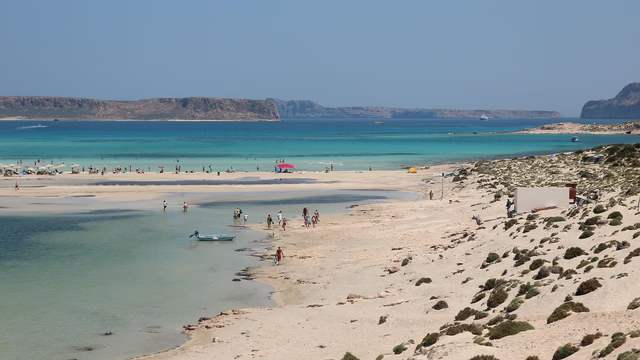
Cannes is a different proposition. La Croisette is sand, much of it maintained and topped up, and a ring there behaves the way people expect. It sinks a little, it stays put, and a finder working a proper grid has good ground to work with. The same is true of the sandy stretches around Juan-les-Pins and the town beaches at Antibes, such as the Plage de la Salis. Go out to the Cap and it turns to rock again, with small sandy pockets between shelves, which is back to slow and uncertain.
The water is worth a note as well. Along much of this coast the bottom drops away quickly, so the searchable shallow band is narrow. A ring lost while you were standing waist deep is usually reachable. A ring lost while swimming out from a steep pebble beach often is not, at least not without a diver, and even then a pebble seabed hides things thoroughly. There is almost no tide here, so at least what you lose today is still roughly where you left it tomorrow.
Private beaches, and why the timing is awkward
A lot of the Côte d’Azur beach in front of the promenades is run by beach clubs, with mattresses laid out in rows, parasols and staff who set the whole thing up each morning. Plenty of rings are lost on those. Somebody takes one off to put on sun cream, tucks it into a towel, and it ends up in the sand or the stones under the mattresses.
Searching one of those is possible, and it is planned for the hours when the beds are cleared, because a detector cannot work through a bed of mattresses and wooden decking. In practice that means an early start before the beach is set up, or the end of the day once it is cleared. Note which club it was and roughly which row you were in, and the search can be planned around that.
It also means speed matters more on these beaches than on an empty cove. Beach clubs tidy and rake their sand, and staff who find jewellery usually hand it in. Before anything else, ask at the club’s desk and at the lost property of the town hall. Rings do come back that way, and it is always worth checking.
What to do now
Stop moving, and mark where you were. On a club beach that means the mattress number and a photo along the row. On a public beach, line up something fixed behind you, a particular hotel, a set of steps down from the promenade, one of the groynes, and photograph the view in both directions from where you stood.
Please do not dig into the pebbles with your hands. On sand, digging buries a ring. On galets, it can drop it through several layers of stone in one go, and that is usually the difference between a job that works and one that does not.
Then send us the details through the get help form or on WhatsApp. We want the beach, the time, whether you were on the stones, on sand or in the water, how deep the water was, and what the ring is made of. White gold and platinum in particular give a signal that is easy to dismiss as junk, so a finder likes to know in advance. Keep your photos of the spot on your phone, because we ask for the exact spot later, in private, once you decide to go ahead.
We look for an experienced detectorist who can get to that beach, and the pages for Nice, Cannes and Antibes set out how our coverage works in each of those towns and what the ground is like.
What we will not do is tell you the odds are good when they are not. A ring dropped beside a sunbed on the sand at Cannes is a genuinely promising search. A ring that went into wet galets at the waterline in Nice a week ago, after a windy weekend, may already be deeper than anyone can reach, and you deserve to hear that before you spend a day hoping. The sooner you send the details, the more often the answer is the first kind rather than the second. Ring Seekers arranges ring searches on the beaches of the Côte d’Azur with experienced metal detectorists, on pebbles and sand alike.