Lost a ring in Bali, from Seminyak and Canggu to Nusa Dua
Lost a ring on a Bali beach? How the surf at Seminyak and Canggu, and the calm reef water at Nusa Dua and Sanur, change where it ends up.
Bali is two very different coastlines stuck together, and where you lost your ring decides almost everything about the search. On the west side, from Kuta up through Seminyak to Canggu, the beaches face the open Indian Ocean and the waves are big enough to surf on most days. In the south, Nusa Dua and Sanur sit behind a reef that keeps the water flat and shallow. A wedding ring that slips off in the shore break at Echo Beach and one that drops off a finger in the lagoon at Sanur are not the same problem, so it helps to know which one you have.
Before anything else, if you are still on the beach, stop moving around. Pick something fixed, such as a lifeguard tower or a temple gate, and take a photo from where you think the ring came off. Then take one looking along the beach each way. Please do not dig in the sand with your hands or feet. In soft sand that pushes a ring deeper, and in the wet sand at the water’s edge it just stirs it into the slurry.
The west coast surf, from Kuta to Canggu
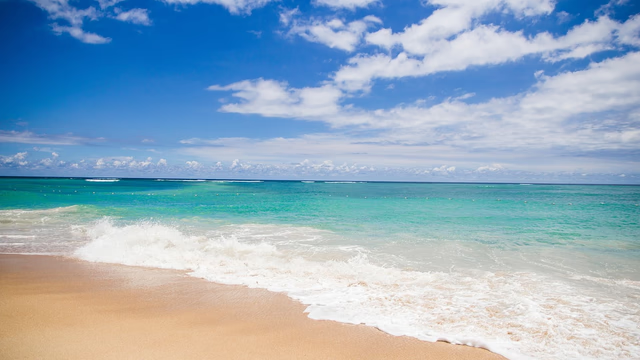
A lot of rings on this stretch are lost in the water. People go in for a swim after a day in the sun, a wave knocks them over, and when they come out the ring is gone. Sun cream and a ring that was always slightly loose both make it easier to happen.
The good news is that heavy things like gold rings do not travel far. A wave can roll a ring a short way, but it soon drops into the wet sand and starts to sink as the water churns over it. It usually ends up somewhere in a band along the beach, roughly level with where you were standing. The bad news is that it keeps sinking. Every set of waves works the sand, and after a few tides a ring that started near the surface can be well down. Depth matters a lot here, so tell us how deep the water was when you lost it, whether it was up to your knees or your chest.
The sand changes as you go north. Kuta and Legian are golden and fairly fine. Around Berawa, Batu Bolong and Echo Beach it turns darker and grey, because it comes from volcanic rock. Black volcanic sand can carry iron minerals that make some detectors noisy, so a finder working Canggu needs to set the machine up for that ground. It is still a beach search, just a slower one.
On the dry sand the story is simpler. At the beach clubs in Seminyak and Berawa, rings and Oura rings usually come off at the sunbed, when someone takes them off for sun cream or pulls a towel out of a bag. Those are almost always within a few steps of where you were sitting. Note the sunbed number if there is one, and ask the staff, because they are often the first people to see something shiny in the morning.
If you lost a phone, a watch or car keys off the west coast, the same rules apply. They are metal and show up on a detector. Plastic sunglasses do not, so those are a job for sharp eyes at low tide or a diver.
Calm water at Nusa Dua, Sanur and Jimbaran
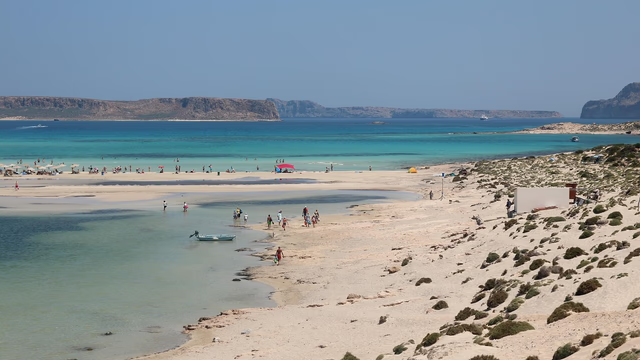
The south and east of the island is a gentler place to lose something. At Nusa Dua and Tanjung Benoa the reef sits offshore and breaks the waves before they reach the beach, so the water in front of the hotels is usually calm. Sanur is similar, with a long shallow lagoon. The sand is pale and made of crushed coral and shell, with no volcanic minerals to upset a detector.
A ring that drops in calm water like this falls more or less straight down. It does not get rolled along the beach, and it tends to stay close to where it went in. That makes your memory of where you were standing far more useful than it is on a surf beach.
The thing to know about Sanur in particular is the tide. At low tide the water goes a long way out and leaves a wide flat of sand, seaweed and rock pools. If you lost a ring while walking out across the flats, or while wading back in as the tide turned, try to remember what the water was doing. A search there is usually best timed for low water, when the area you were in is dry or only ankle deep.
Jimbaran Bay is its own case. In the evening the sand fills with tables for seafood dinners, and a lot of jewellery gets lost there in the dark, rings taken off to eat with your hands, a bracelet that catches on a chair. A search there works best early in the morning, after the tables are cleared and before the beach is raked or swept.
The Bukit, from Uluwatu round to Padang Padang and Bingin, is the hardest part of Bali. Those beaches are small and sit under cliffs, and the surf breaks over shallow reef. A ring lost on the sand at Bingin or Padang Padang can be searched. A ring lost while surfing out over the reef is a different matter. Coral should not be dug into, and a ring that falls into a crack in the reef in moving water is often beyond what a detector can reach. We would rather tell you that honestly at the start.
Getting a search started
Send us the details as soon as you can, through the get help form or on WhatsApp. The most useful things are the beach, the day and time, whether you were sitting or swimming, how deep the water was and what the ring is made of. Keep your photos of the spot for later. Please keep the exact spot to yourself on public groups and forums, and share it with us privately once a search is going ahead.
We have arranged searches on Bali before, and we explain the costs before any search is booked. Our West Bali page covers Kuta, Seminyak and Canggu, and the South Bali page covers Nusa Dua, Sanur, Jimbaran and the Bukit. If you crossed over to the Gilis or Lombok and lost it there, the Lombok and Gili Islands page says more about those beaches.
Before anyone goes out, we will tell you plainly what kind of job it is. A ring dropped beside a sunbed in Seminyak and a wedding band lost in waist-deep surf at Canggu have very different odds, and we will not pretend otherwise. If a diver is the better route, we will say so.
Timing matters more on the west coast than anywhere else on the island. The surf there keeps working the sand every day, so the sooner the search starts, the closer to the surface your ring is likely to be. In the calm water at Nusa Dua and Sanur you have a little more time, but not much, because busy beaches get raked and walked over. If you are flying home soon, tell us that too, and send the details while the spot is still fresh in your mind. Ring Seekers arranges searches by experienced local metal detectorists for rings and jewellery lost on Bali’s beaches, from the surf at Canggu to the calm water at Sanur.