Lost a ring in Aruba, from Palm Beach to Baby Beach
Lost a ring on an Aruba beach? How Palm Beach, Eagle Beach, Malmok and Baby Beach differ, what to note before you leave and how a search starts.
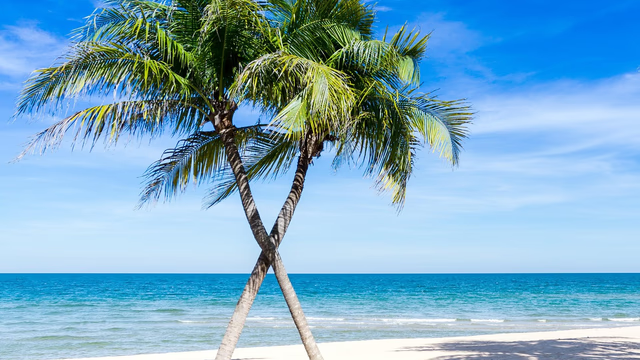
Most people who lose a ring in Aruba lose it on the west coast, because that is where the swimming is. The water there is calm and the sand is fine and white, and the tide rises and falls very little. A ring that comes off in those conditions usually stays close to where it dropped. How well a search goes depends on the ground under it and on how closely you can place yourself.
If you are still on the beach, stay put for a minute. Pick something fixed, such as a pier, a hut or a hotel tower, and take a photo from where you think it happened. Take one along the shore in each direction and drop a pin on your phone. Please do not dig with your hands or sweep the sand with your feet. In soft sand that pushes a ring deeper, and in the shallows it stirs the sand up over it.
Palm Beach, Eagle Beach and the resort strip
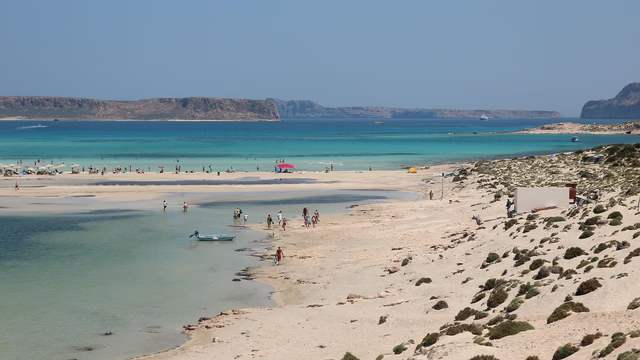
Palm Beach is the two-mile strip of white sand in front of the high-rise hotels. It is busy from morning to evening, and a lot of what gets lost here comes off at the lounger. Sun cream makes a ring slippery, and it can drop into the sand without a sound. By the time you notice, you may be back in the room and sure it could be anywhere. Usually it is within a few steps of where you were sitting, so note the hotel and the row before the loungers are moved.
Ask at the hotel beach desk and the towel hut as well. Things do get handed in on a resort strip, especially phones and watches, and it is always worth checking.
The piers along Palm Beach are worth a mention of their own, because some of the bars and restaurants stand right out over the water. Phones and sunglasses go over the rail there. A phone will show up on a detector, and so will metal frames, but plastic sunglasses will not, so those are a search by eye or by a diver. Tell us which pier and which side of it, and how deep the water looked.
Eagle Beach is wider and softer, with fewer things to line yourself up against. The two fofoti trees are the landmark everyone knows, bent over by the trade winds so they point out to sea. If you were anywhere near them, say so. Otherwise use the nearest hotel across the road and the closest hut or cabana. Manchebo and Druif, in the same stretch, have huts you can measure from.
The shallows along this whole coast are where wedding bands tend to go. You stand waist deep, your hand is slippery, and the ring slides off. Gold is heavy and drops almost straight down. It then sinks into the sand as the small waves turn it over, so the useful details are how deep the water was and how far you were from the nearest pier or hut. An Oura ring lost swimming here is the same kind of job, because it has metal in it and a detector will pick it up. The same goes for a watch, and for most jewellery (or jewelry, if you are reading this in the States).
Malmok, Arashi and the north end
Past the last of the high-rise hotels the shore changes. Malmok is limestone and rock with small bays of sand in it, and this is where the catamarans stop so their passengers can snorkel. Boca Catalina, Catalina Cove and Tres Trapi are all along here.
A ring that comes off while you are snorkelling over sand is a reasonable job. A ring lost while climbing over the rocks is often at the foot of them, in the gaps. Please do not reach into those gaps yourself, because the rocks are sharp and there are a lot of sea urchins. If the ring came off during a boat trip, tell us the name of the boat and where it stopped. The crew can often tell you how deep the water was. Further out it becomes a job for a diver, and we will say so if that is the case.
Arashi, at the northern tip near the California Lighthouse, is easier. It has calm, shallow water over a sandy bottom, so note the hut or the beach bar nearest to you. Hadicurari, also called Fisherman’s Huts, is in very shallow water and full of people learning to windsurf and kitesurf, and rings and watches come off during falls and while gripping the kit. Tell us roughly how far out you were and which way the wind was taking you.
Surfside, Baby Beach and the south
Surfside Beach is about two minutes from the airport, which makes it a common last swim before a flight home. If that is your situation, put it in your first message. Tell us which bar you were in front of, and whether you were on the sand or in the water.
Renaissance Island is a private island reached by a shuttle boat from the resort in Oranjestad, and plenty of couples spend part of a honeymoon there. If you lost something on Iguana Beach, Flamingo Beach or Coral Beach, tell the resort first. They will want to know, and someone there may already have found it.
Baby Beach, in the south near San Nicolas, is a half moon of sand around a lagoon so shallow that you can wade out a long way and still touch the bottom. That is good news for a ring, because a detectorist can work most of it on foot. It is also easy to lose track of how far out you went, so use the huts on the shore to place yourself.
Mangel Halto is harder. You get in over sharp rocks at the edge, the currents can be strong, and there is a reef close by. Nobody should go digging around coral. A ring lost on the reef is a long shot and we will tell you so at the start.
Once you have the basics, get in touch through the get help form or on WhatsApp. Start with the beach, the day and what the ring is made of, and we will ask for the finer detail when a search is being planned. Please keep the exact spot out of public groups and save it for that private chat.
We have worked with a local detectorist on Aruba before, and we explain the costs before any search is booked. The Aruba page goes through the island beach by beach. If it went missing elsewhere on the same trip, we have pages for Curaçao and Bonaire too.
The sooner a search starts, the nearer the surface your ring is likely to be. The resort beaches are walked over all day, so if you only have a day or two left on the island, tell us in your first message. Ring Seekers arranges ring searches by experienced metal detectorists on Aruba’s beaches and in its shallow lagoons.