Lost a ring on a Mallorca beach? The first 24 hours
Lost a ring at Playa de Muro, Alcúdia or Es Trenc? What happens hour by hour, what a real Mallorca ring search looks like, and how to give it the best chance.
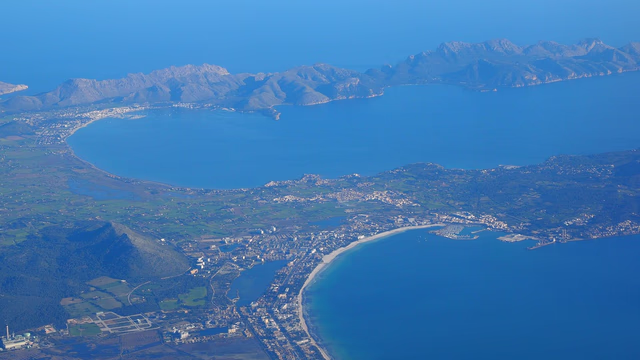
It is the same story every summer. Playa de Muro at four in the afternoon, the water knee-deep and warm, a hand shaken dry after a swim, and a ring that was there a minute ago is gone. Then the searching starts: fingers raking sand, friends wading in a line, someone suggesting the ring “must have washed out to sea”.
It almost never has. On Mallorca’s sheltered bays a ring lost in the shallows usually stops within a couple of metres of where it slipped, and it usually stays there for days. This is what the first 24 hours actually look like when you get it right.
The first ten minutes, stop and mark the spot
Everything that follows depends on this. Before anyone digs:
- Stop walking on the spot. Feet push a ring down into wet sand faster than the sea does.
- Mark it. A towel, a bag, a stick in the sand, a sunbed number. On water, line yourself up with two fixed things on shore, a beach bar and a rock, a lifeguard tower and a hotel.
- Take a photo from where you are standing, looking at the shore, and keep it on your phone. That one picture will tell a finder more than a paragraph, later on.
If you do only this and nothing else, the search that follows has a real chance.
The first hour, and what the search looks like
This is when to contact us, not tomorrow. The Mallorca page explains how the island coverage works, but the short version is that we look for an experienced detectorist who can get to that beach, and the earlier we know, the better the odds.
The first message only needs a few things: what the ring is made of, which beach it was, when it happened, sand or water and how deep, and whether you have already searched. We ask for the exact spot later, in private, once you decide to go ahead. With that, we can tell you honestly whether a search makes sense and start organising one.
A Mallorca beach search is slow and methodical. The finder works from your marker outwards in a tight grid, first the dry sand where towels and sunbeds are, then the wet band at the water’s edge, then the shallows with a waterproof detector and a scoop.
Where the ring was lost changes everything:
- Dry sand near the sunbeds, the easiest case. Rings sink a little and stop.
- Wet sand at the edge, still very good. The sand is firm and holds a ring in place.
- Knee-to-waist water, very doable on calm days at Playa de Muro, Alcúdia, Cala Millor or Es Trenc, where the bottom is sand and the water stays clear.
- Rocky calas, harder. Rings drop between rocks and the finder needs more time.
We will tell you which of these you are in before anyone commits to a search.
The first night and day two
Mallorca has almost no tide. That is genuinely good news. On Atlantic beaches a ring can be under a metre of water by evening; here the water line barely moves, so a marker you leave at six in the evening still means something at seven the next morning.
What does move sand is a strong Tramuntana wind or a storm. If the forecast turns, say so, because it can change the best time to search.
If a same-day search was not possible, the next morning is the next-best window. Beaches are empty, the sand has not been raked or trampled, and the light on the water is flat, which is what a finder wants. The first two days are the best window for a search.
After that, odds fall, not to zero, but a ring on a busy beach gets buried deeper each day, and on tourist beaches a cleaning tractor can pass at dawn.
We will never tell you a ring is certain to be found. What we can promise is an honest read of your chances before you spend anything, and a straight answer when the odds are poor.
If it happened on Menorca or Ibiza instead, the same advice applies, and the Menorca and Ibiza pages explain how a search works there.
Mark the spot, take the photo for yourself, and send us the first few details. The clock on a lost ring is measured in hours, not weeks, and on Mallorca, if you move today, it is usually still there. Ring Seekers arranges searches for rings and jewellery lost on Mallorca’s beaches, carried out by experienced metal detectorists.