How long after losing a ring is it still worth searching?
A lost ring can often still be found weeks or even months later. An honest look at how tides, sand and garden soil change the odds over time.
Usually longer than people think. A ring lost in a garden or a park can often be found months later, and a ring lost on a beach is still worth searching for days and sometimes weeks afterwards, although the odds fall faster there because sand and sea keep moving it.
People often message us a week or two after a holiday, slightly embarrassed, assuming they have left it too late. Sometimes they have. Often they have not. What decides it is less the number of days and more what kind of ground the ring went into and what has happened to that ground since.
What happens to a ring on a beach as the days pass
A gold or platinum ring is small and heavy. When it lands in sand it does not float away. It sinks. On dry sand above the waterline, footsteps push it down a little at a time, and after a few days it can be a hand’s width under the surface. That is still well within reach of a metal detector. Nobody will see it, but a detector will hear it.
Wet sand at the water’s edge is different. Every wave lifts the top layer and drops it again, and a heavy ring tends to work its way downwards rather than wash off along the beach. In wet sand it can settle around 15 to 25 cm down, sometimes more. A good detector can still pick that up. What makes it harder is that the sand above it keeps changing.
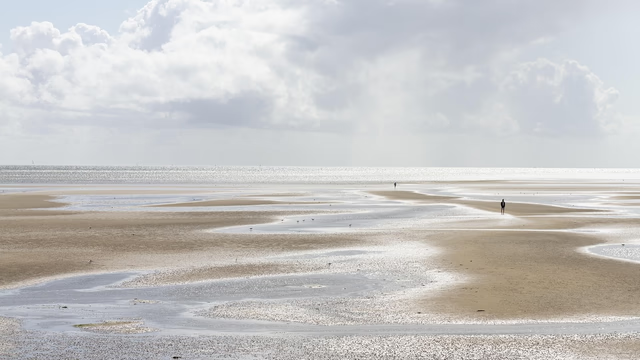
Tides matter a lot here. On a beach with a big tide range, like Bournemouth and the rest of the Dorset and Hampshire coast, the sea covers and uncovers the same strip twice a day. Each cycle moves a bit of sand. After a calm week a ring may be exactly where it fell. After a storm, sand can be stripped away and the ring exposed, or a fresh layer can be dumped on top and bury it deeper than most detectors reach. That second case is where the honest answer becomes “wait”.
Finders who work tidal beaches know that sand comes and goes with the seasons. Winter storms tend to pull sand off a beach, and calm summer weather tends to bring it back. A ring that is too deep to find in August can come back within reach after an autumn storm. So on a tidal beach, “too late” sometimes just means “not right now”.
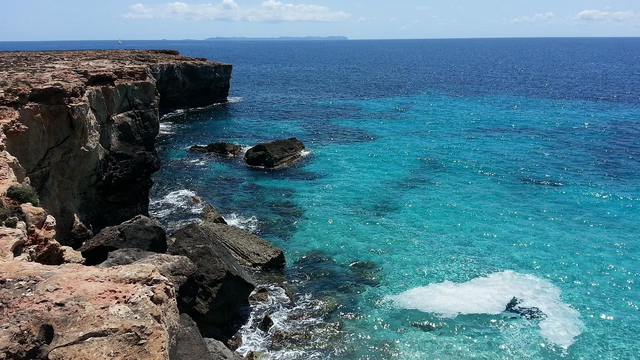
On beaches with almost no tide, like most of Mallorca and much of the Mediterranean, things move more slowly. The waterline sits in roughly the same place all day, so the strip where you were standing in the sea a week ago is still the same strip. The risk there is a different one. Busy beaches are swept by people with detectors, and the longer a ring sits under a sunbed row, the more chance someone else picks it up first.
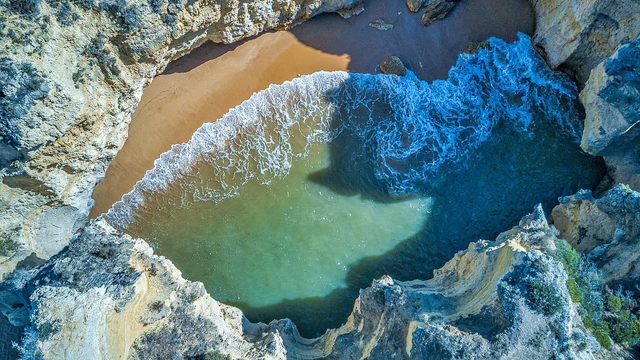
The Algarve sits somewhere in between. At Albufeira and the beaches around it there is a real tide and Atlantic swell, and the sand shifts more than on a calm Mediterranean cove. If you lost a ring on the Algarve, the first days are worth more than the following weeks, but a search a week or two later can still make sense if the weather has been quiet.
Gardens, parks and lakes keep things far longer
Soil is much kinder to a lost ring than sand. A ring dropped on a lawn slips between the grass roots and stays put. It sinks slowly, a few centimetres over months, not overnight. Unless the ground has been dug, a ring lost in the garden in spring can usually still be found in autumn, and often much later than that.
In a garden it is usually people who change the odds. Mowing and new turf can move a ring around or bury it under fresh soil, and builders’ work can carry it off in a skip. If you think you lost a ring or an earring on the lawn, stop mowing that area and do not dig until someone has been over it with a detector.
Parks are similar, with one extra worry. Popular parks are searched by hobby detectorists, so the longer it waits, the more likely it is to be found by someone who does not know it is yours. Freshwater lakes and rivers are slower to change than the sea, but mud and silt can cover a ring, and a lake search usually needs a diver or someone working the shallows.
How to decide whether it is still worth it
There are a few questions we ask before saying whether a search still makes sense, and you can ask them yourself.
How sure are you about where it went? A ring that slipped off while you were lying on a particular sunbed, or while you were knee deep near a particular rock, is a much better prospect than one that went missing somewhere during a long walk. A small, known area stays searchable for a long time. A whole beach does not.
What has the weather been like? A calm week on a tideless beach changes very little. A big storm on an Atlantic or Irish Sea beach, like the long strands on the Wexford coast, can change a lot in a single night.
Has the ground been disturbed? Beach cleaning machines and building work both move things. If you know that has happened, say so, because it changes where a finder would start.
Is it something a detector hears? Gold, platinum, silver and titanium rings all register. So do Oura rings, watches, phones and metal glasses frames. Plastic sunglasses do not, so those are a search by eye or by a diver, and they rarely survive long in the surf.
Sometimes the honest answer is that a search is unlikely to succeed. If a ring went into deep, rough water off a rocky point, or the beach has been rebuilt with new sand since, we will tell you that plainly before anyone goes out. Trust matters more to us than a booking.
If you lost a ring a while ago and are not sure whether it is too late, send us what you remember through the get help form or on WhatsApp. Tell us the beach or the garden, the date, and anything you know about the weather or the tide since then. We will tell you plainly whether we think a search is still worth doing, and explain the costs before anything is booked. A ring lost weeks or months ago is still something Ring Seekers can look into, with an experienced metal detectorist doing the search.